
When considering a blood pressure cuff for clinical or home use, it’s vital to understand the nuances that make one model more suitable than another. Blood pressure cuffs are essential tools for monitoring cardiovascular health, and their accuracy, comfort, and durability are key concerns for purchasing managers and healthcare professionals. This article will explore critical specifications, material advantages, installation guidance, cost factors, and applications of blood pressure cuffs, providing the insights needed to make informed purchasing decisions.
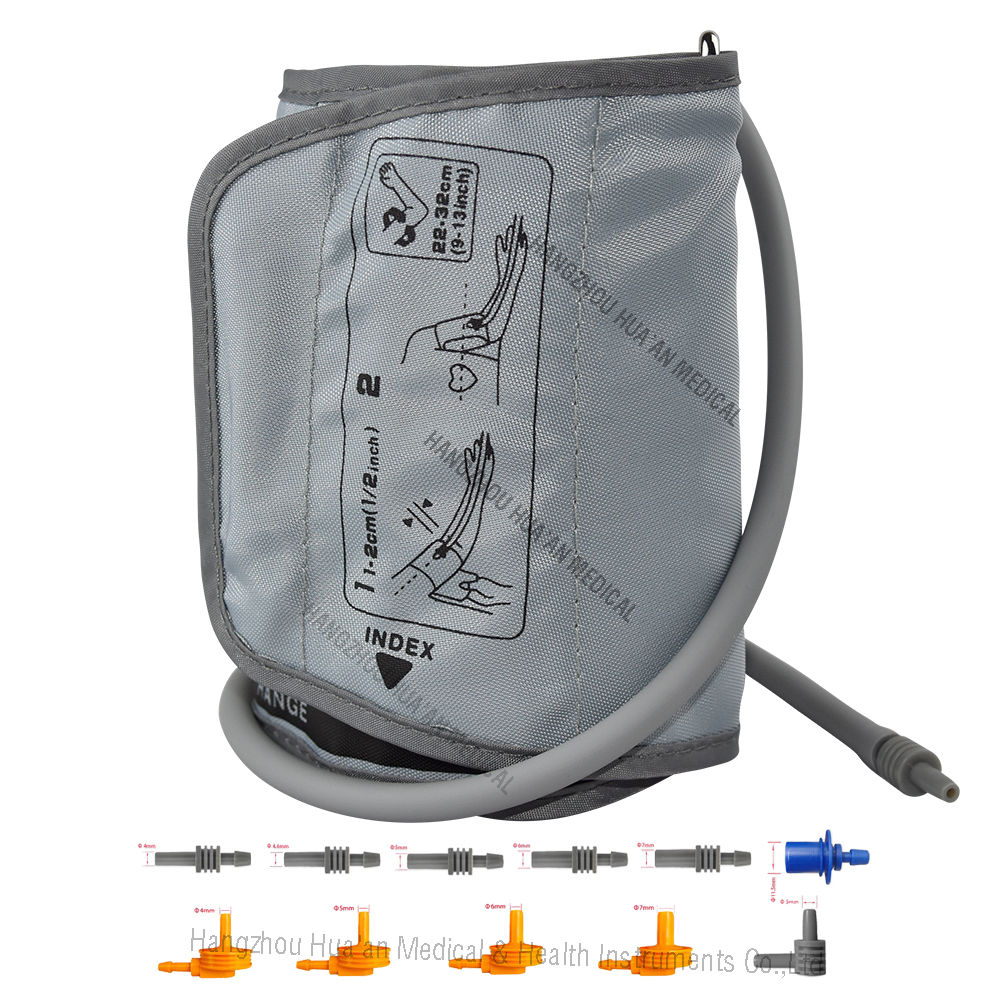
When selecting a blood pressure cuff, several key specifications must be evaluated to ensure accurate and reliable readings. First and foremost is the cuff size, which can significantly affect measurement accuracy. A cuff that is too small may yield falsely high readings, while one that is too large may show low readings. It's crucial to choose a cuff that fits the intended patient population, often measured in terms of arm circumference.
Next, consider the type of inflation mechanism. Manual cuffs require a stethoscope and a sphygmomanometer, while automatic cuffs offer digital readings, improving ease of use and reducing user error. Additionally, check for the accuracy standard of the cuff; look for FDA, CE, or ISO13485 certifications that indicate adherence to quality benchmarks.
Finally, assess the cuff's durability and comfort. Features such as hypoallergenic materials and easy-to-clean surfaces are essential for repeated use in clinical settings. Understanding these specifications will ensure that the selected blood pressure cuff meets both clinical and patient comfort needs. For instance, the HUAAN Digital Upper Arm Blood Pressure Monitor Machine, Voice Broadcast, LED, MB-300B is designed with comfort and accuracy in mind.
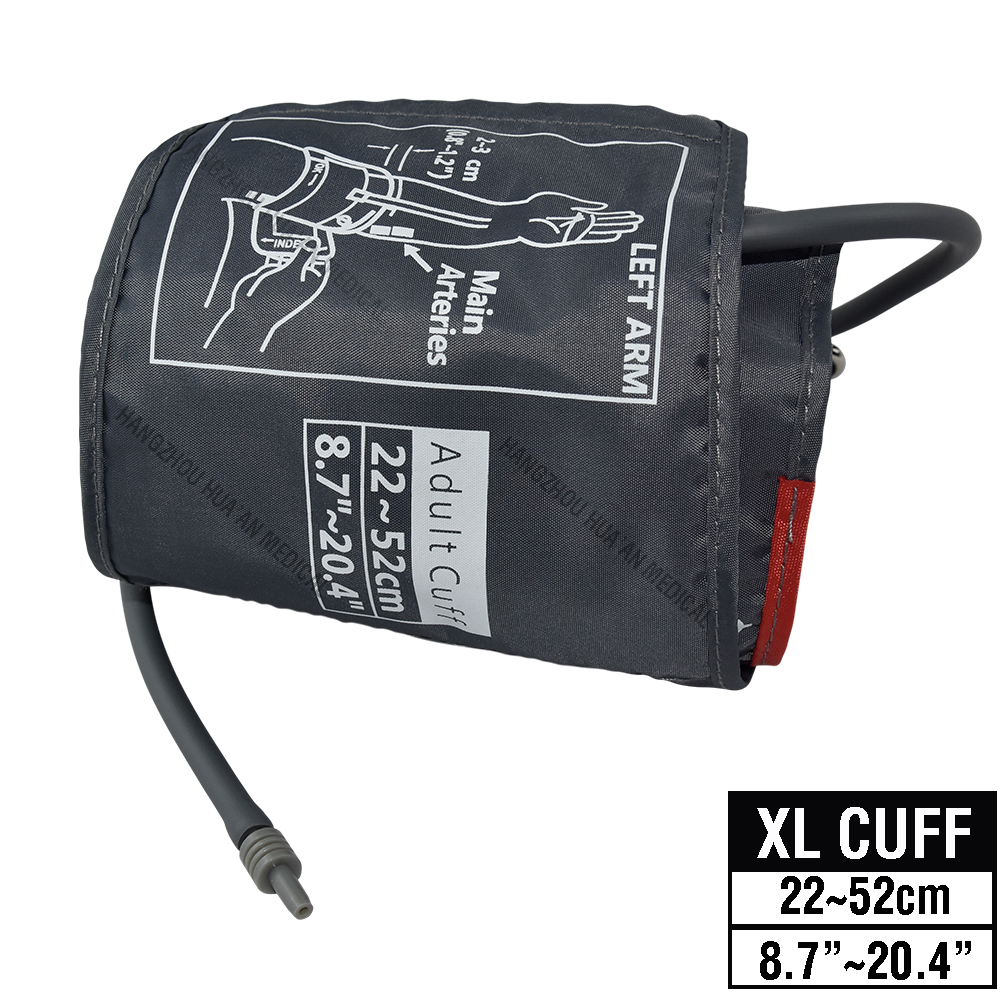
The materials used in manufacturing blood pressure cuffs play a critical role in their overall performance and user experience. Common materials include latex-free PVC and nylon, which offer flexibility, durability, and resistance to wear and tear. Latex-free options are particularly important to prevent allergic reactions in sensitive patients.
Additionally, the lining material influences comfort. Soft, padded linings reduce the risk of skin irritation during use, especially for cuffs designed for prolonged monitoring. It’s essential to select a cuff with a material that balances durability with patient comfort, as this can impact compliance in both clinical and home settings. Many professionals opt for options like the HUAAN Rechargeable Electronic Upper Arm Blood Pressure Monitor Sphgmomanometer, Voice Broadcast, Backlight, MB-300I_S due to their reliability.
Moreover, consider the environmental impact of materials. Manufacturers that use recyclable materials or have sustainable practices may align better with healthcare organizations focused on environmental responsibility, which can be a deciding factor for many buyers.
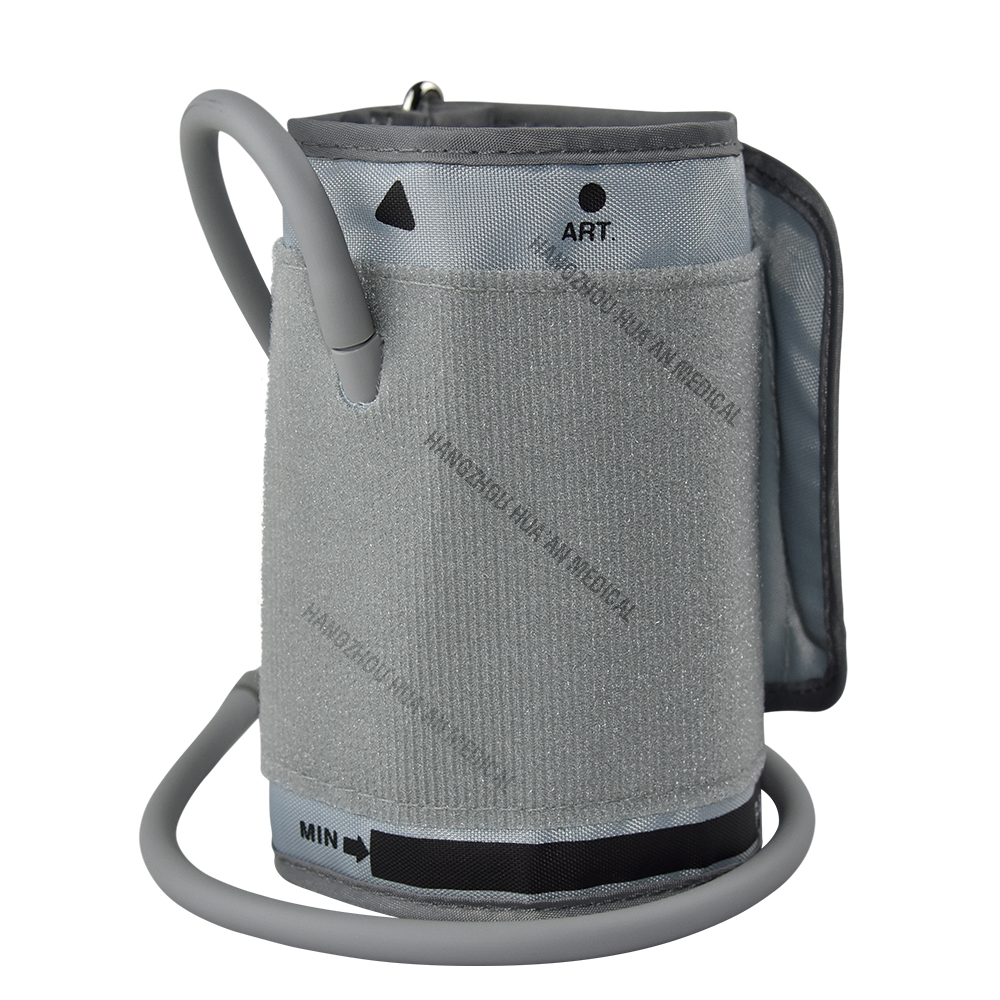
Proper installation and application of blood pressure cuffs are crucial for obtaining accurate readings. Clinicians should ensure that the cuff is placed on bare skin, avoiding clothing that could impede circulation. The cuff must be aligned with the brachial artery, typically located on the inside of the arm, and positioned at heart level.
Before taking a measurement, it’s advisable to instruct the patient to remain still and relaxed. The cuff should be inflated to a pressure higher than the expected systolic pressure, then gradually deflated while monitoring the gauge. Clinicians should also be aware of common errors, such as using the wrong cuff size or not allowing the patient enough time to acclimate before taking measurements.
For organizations investing in blood pressure cuffs, training staff on proper installation techniques can significantly reduce measurement errors and improve patient outcomes.
When purchasing blood pressure cuffs wholesale, various cost factors come into play. The initial purchase price is essential, but it’s equally important to consider long-term costs, including durability and maintenance. High-quality cuffs may have a higher upfront cost but can lead to savings through reduced replacement rates and lower maintenance needs.
MOQ (Minimum Order Quantity) requirements can also affect overall costs. Manufacturers often have tiered pricing structures based on order volume, so businesses should evaluate their needs carefully to avoid overstocking while still benefiting from bulk pricing.
Shipping costs and lead times are additional considerations that can impact the overall expenditure. Buyers should confirm shipping arrangements early to avoid unexpected delays, particularly in urgent clinical settings.
Understanding these cost factors enables purchasing managers to make financially sound decisions that support their organization's operational efficiency.
Blood pressure cuffs have diverse applications across various healthcare settings, from hospitals and outpatient clinics to home health monitoring. In hospitals, they are essential for routine checks in emergency departments or during patient admissions, contributing to fast and accurate assessments of cardiovascular health.
In outpatient settings, cuffs are used for routine monitoring of chronic conditions such as hypertension. Mobile health technologies are also emerging, with some cuffs designed to sync with apps for patients to track their readings over time, promoting better self-management of their health.
Moreover, blood pressure cuffs are valuable in research settings, where they aid in clinical trials assessing the efficacy of new treatments or medications. Understanding these applications helps buyers select the right type of cuff for their specific use cases, ensuring they meet the needs of their target audience.
By considering these specifications, materials, installation methods, cost factors, and applications, purchasing managers and healthcare professionals can make informed decisions that enhance patient care and operational efficiency.
JASUN is a registered trademark of Hangzhou Hua'an Medical & Health Instruments Co.,Ltd. Your first option for premium thermometer suppliers in China with CE, MDR, ISO13485:2003, FDA and BSCI certificates.
Our location: Building 2,1# Fuzhu Nan RD, Wuchang Town, Yuhang District, Hangzhou, Zhejiang 310023, China
HOURS: 8:30AM - 6:00PM
Copyright © Hangzhou Hua'an Medical & Health Instruments Co.,Ltd. All Rights Reserved Blog Privacy Policy
 EN