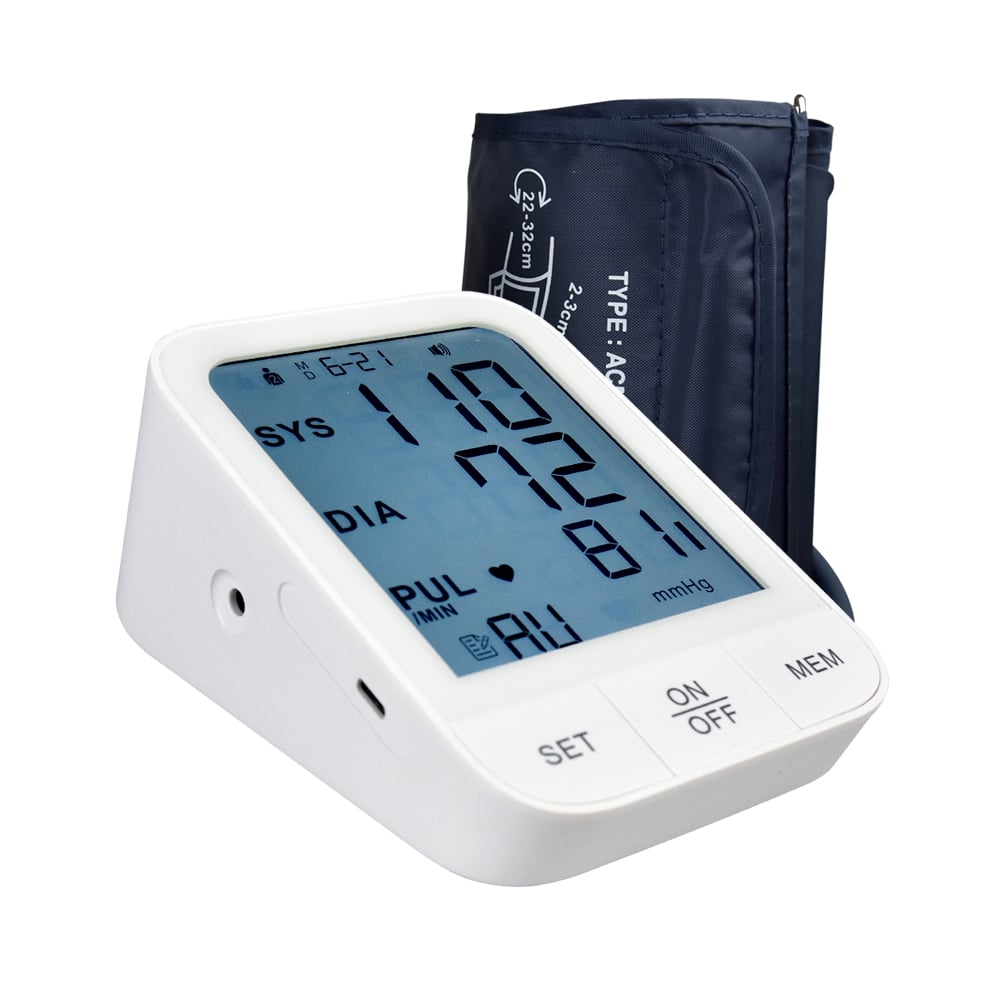
When sourcing a blood pressure apparatus, it's essential to understand the variety of devices available and their specific functionalities. As a critical tool in healthcare, blood pressure monitoring devices must meet stringent accuracy and reliability standards. This article aims to guide B2B buyers—such as purchasing managers, distributors, and healthcare providers—through the process of selecting the right blood pressure apparatus, addressing their main concerns regarding specifications, wholesale purchasing, common problems, and installation guidance.
Selecting the right blood pressure apparatus involves evaluating your specific requirements, including the target user group (e. g., hospitals, clinics, home users), the frequency of use, and the required accuracy level. Consider whether an automatic or manual device is more appropriate. Automatic devices, often preferred for their ease of use, typically provide quicker readings, while manual devices may offer greater control for trained professionals.
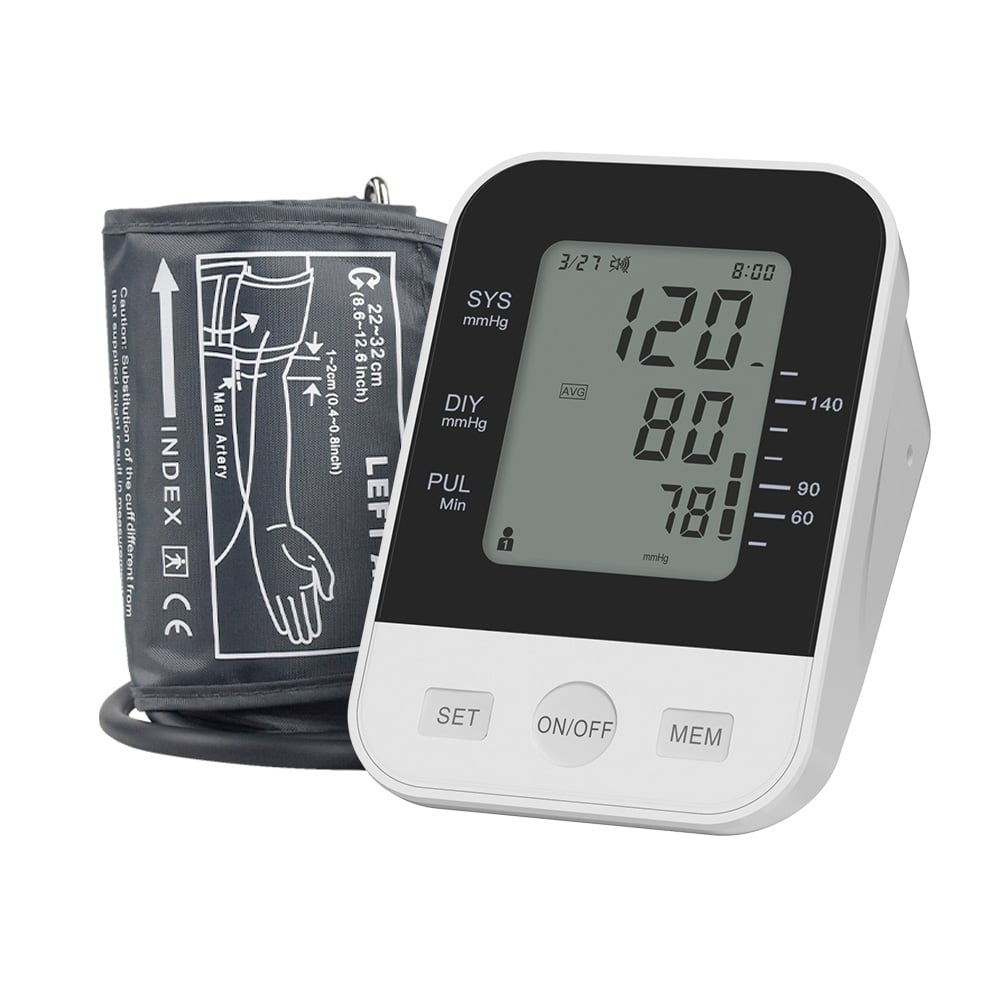
Additionally, consider the size and type of cuff, as this affects the comfort and accuracy of readings. Cuffs come in various sizes to accommodate different arm circumferences, and using the correct size is crucial for obtaining reliable measurements. Look for models that provide features such as data storage, connectivity options (for electronic health records), and user-friendly interfaces.
When sourcing blood pressure devices, several key specifications should be prioritized:
Measurement Range: Ensure the apparatus can accurately measure a wide range of blood pressure levels. Most devices should accommodate a systolic range of at least 80-250 mmHg and a diastolic range of 40-130 mmHg.
Accuracy: Look for devices that meet the clinical validation standards set by organizations such as the European Society of Hypertension (ESH) or the American Association for the Advancement of Medical Instruments (AAMI). Accuracy is paramount, as incorrect readings can lead to misdiagnosis or improper treatment.
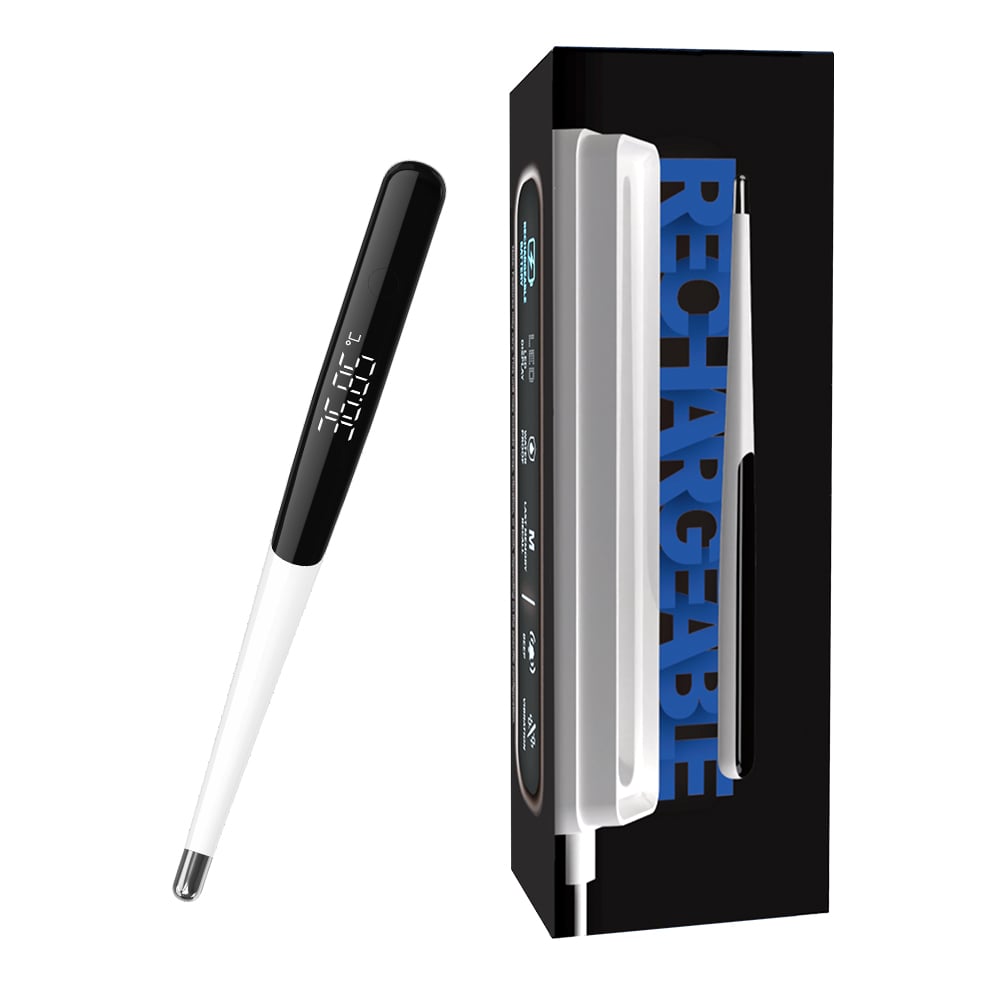
Power Source: Blood pressure monitors may operate on batteries or be rechargeable. Consider the convenience and ongoing costs associated with each power source.
Display Features: A clear, easy-to-read display is essential, especially for older users or those with visual impairments. Some models include backlit screens for better visibility.
Data Management Capabilities: Advanced devices may offer Bluetooth or Wi-Fi connectivity for easy data transfer to smartphones or healthcare systems, facilitating better patient management.
Durability and Warranty: A robust design is crucial for devices used in busy healthcare environments. Check for warranties and service options to protect your investment.
When purchasing blood pressure apparatus in bulk, several factors can impact your buying decision:
Minimum Order Quantity (MOQ): Understand the MOQ for each model and how it aligns with your needs. This helps in planning your inventory and costs effectively.
Pricing: Request quotations from multiple manufacturers to compare prices. Be mindful of any additional costs, such as shipping and handling, which may affect the overall budget.
Customization: If you require specific branding or features, discuss customization options with manufacturers early in the negotiation process. This may include unique packaging, color options, or additional functionality.
Supplier Reputation: Research potential suppliers’ certifications (e. g., ISO 13485, CE, FDA) and customer reviews. A reputable supplier will stand behind their products and provide support when needed.
Lead Time: Confirm the lead time for delivery. Ensure that it aligns with your project timelines, especially if these devices are needed for a time-sensitive application.
Blood pressure apparatus can experience various issues over time. Here are some common problems and their solutions:
Inconsistent Readings: This can result from improper cuff size or placement. Ensure that users are trained on correct usage and that cuffs are appropriately fitted for each individual.
Battery Life Issues: If a device frequently runs out of power, consider opting for models with longer-lasting batteries or rechargeable options. Regular maintenance checks can also help identify and resolve power issues.
Calibration Errors: Regular calibration is essential to maintain accuracy. Establish a routine schedule for calibration according to the manufacturer's recommendations to ensure consistent performance.
User Misunderstanding: Users may misinterpret readings or device functions. Providing thorough training and clear instructional materials can mitigate this problem and enhance user confidence.
Proper installation and setup of blood pressure apparatus are crucial for optimal performance. Here are some guidelines:
Location: Install devices in a quiet area to minimize distractions during readings. Avoid locations with extreme temperatures or humidity, as these can affect device performance.
Cuff Placement: Ensure that the cuff is positioned correctly on the upper arm, approximately one inch above the elbow crease. The cuff should fit snugly, but not too tight, to obtain accurate measurements.
User Training: Provide comprehensive training for all users, covering the operational procedures and common troubleshooting tips. This training should emphasize the importance of consistent usage practices.
Regular Maintenance: Schedule periodic checks for device performance, including battery replacement and calibration. This helps extend the life of the apparatus and ensures ongoing accuracy.
By understanding these aspects of blood pressure apparatus, B2B buyers can make informed decisions that meet their specific needs, ensuring reliable health monitoring solutions for their organizations.
JASUN is a registered trademark of Hangzhou Hua'an Medical & Health Instruments Co.,Ltd. Your first option for premium thermometer suppliers in China with CE, MDR, ISO13485:2003, FDA and BSCI certificates.
Our location: Building 2,1# Fuzhu Nan RD, Wuchang Town, Yuhang District, Hangzhou, Zhejiang 310023, China
HOURS: 8:30AM - 6:00PM
Copyright © Hangzhou Hua'an Medical & Health Instruments Co.,Ltd. All Rights Reserved Blog Privacy Policy
 EN