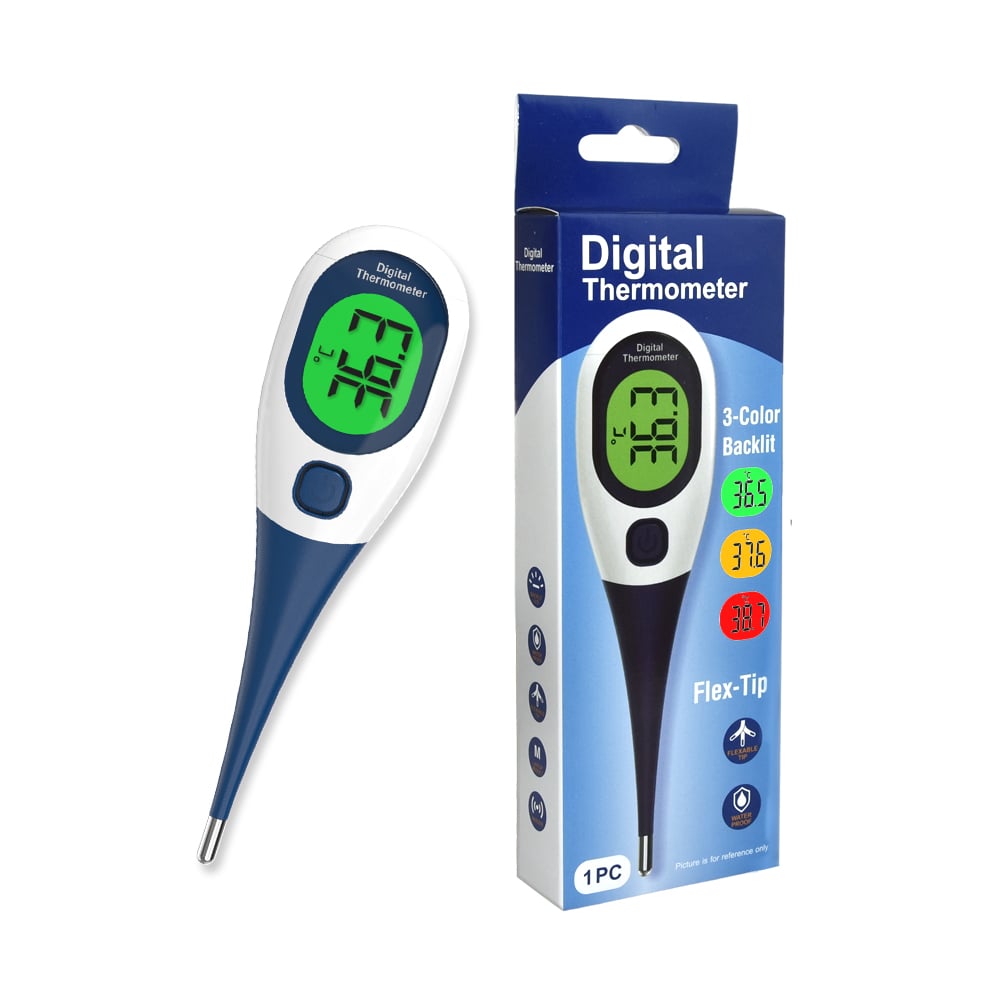
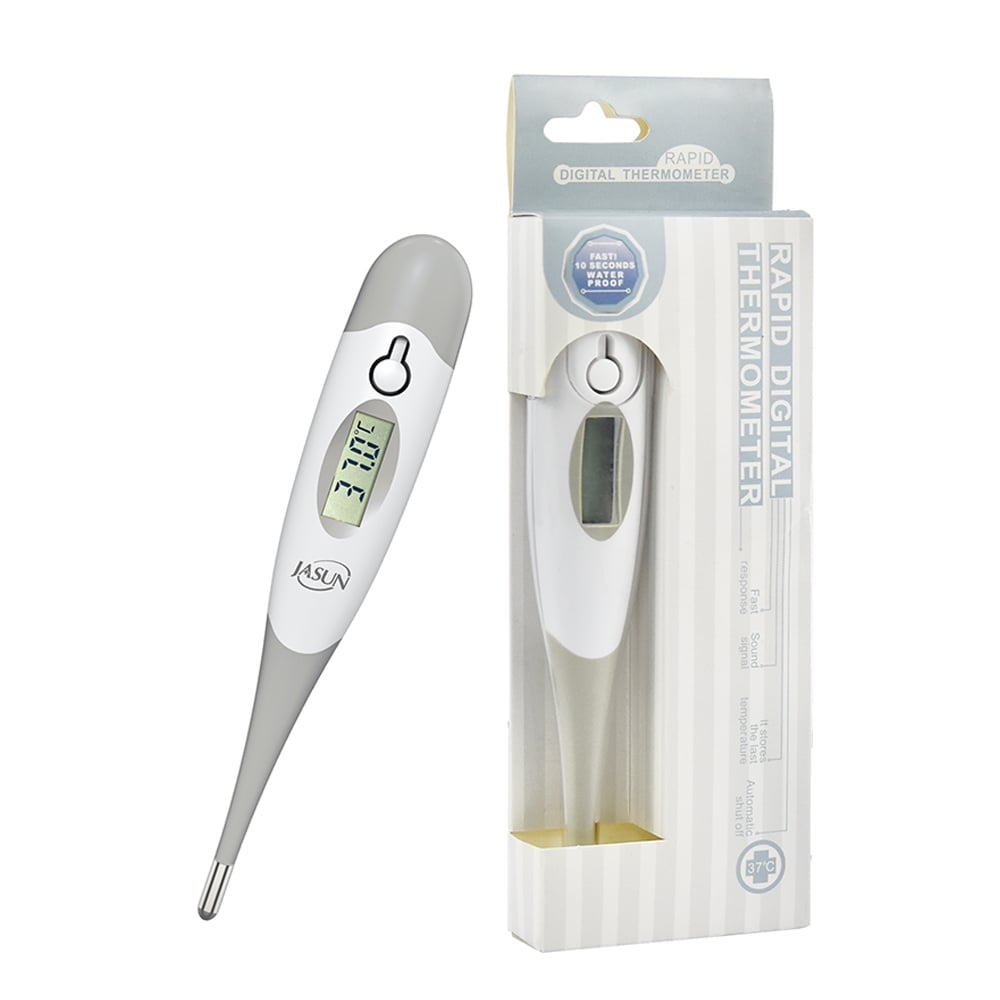
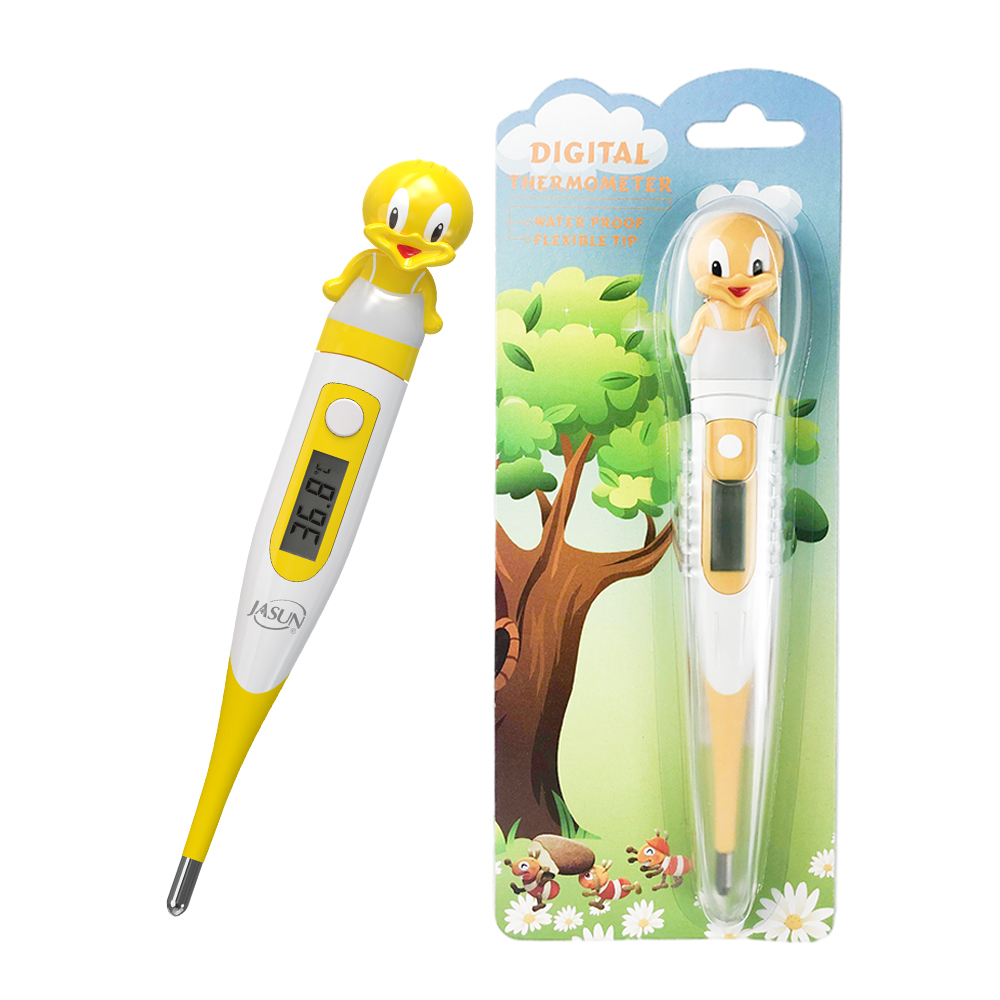
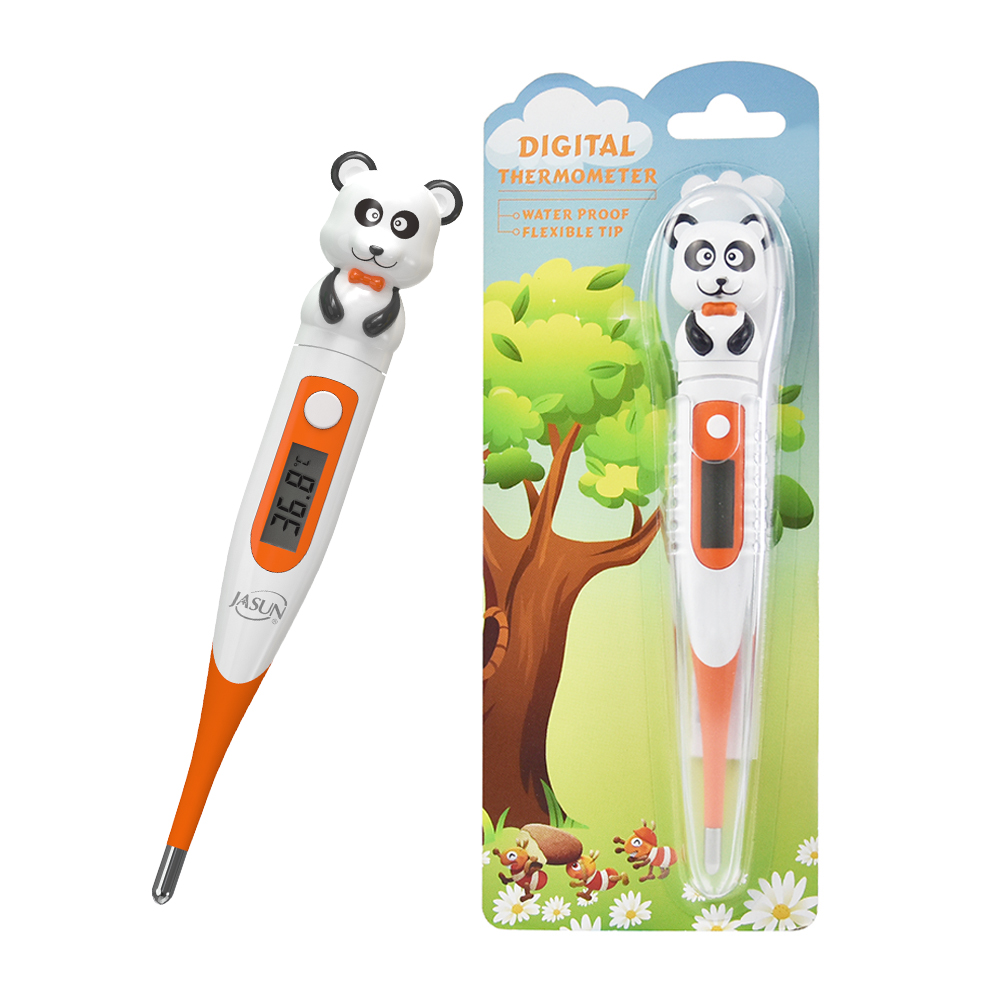
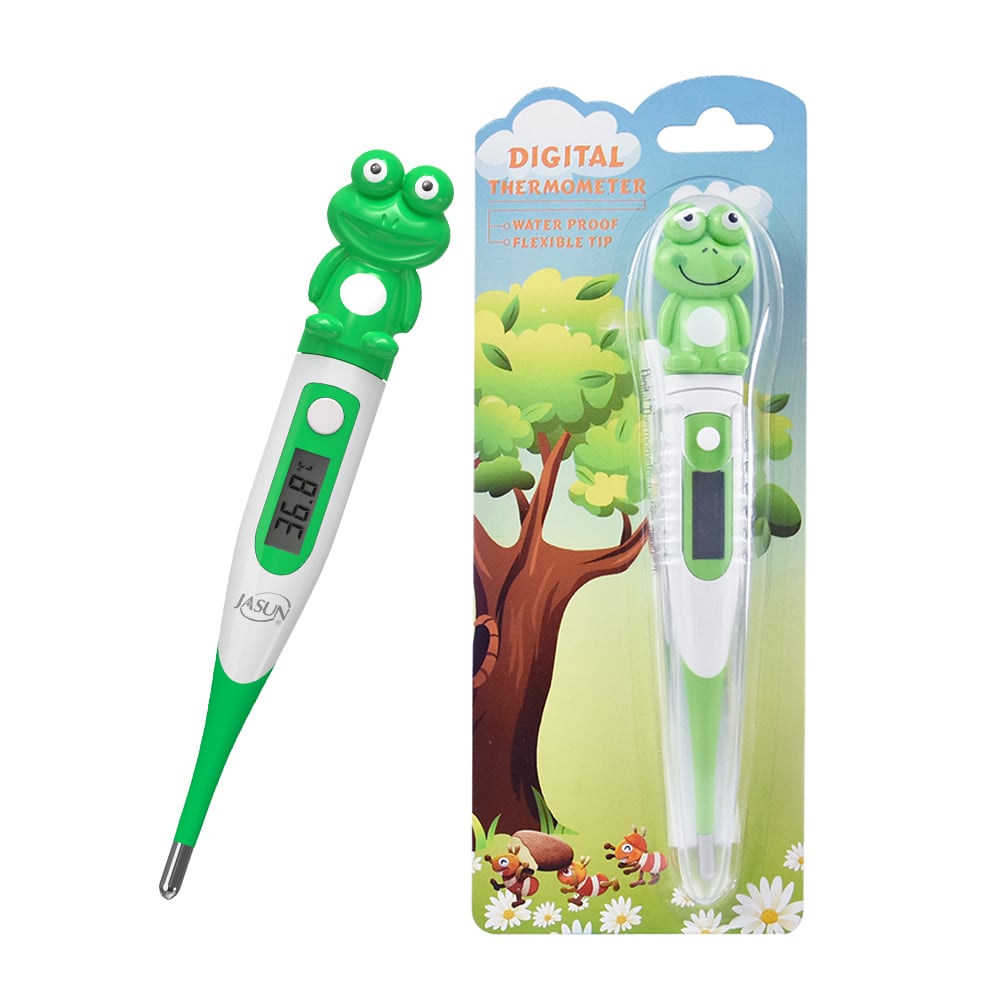
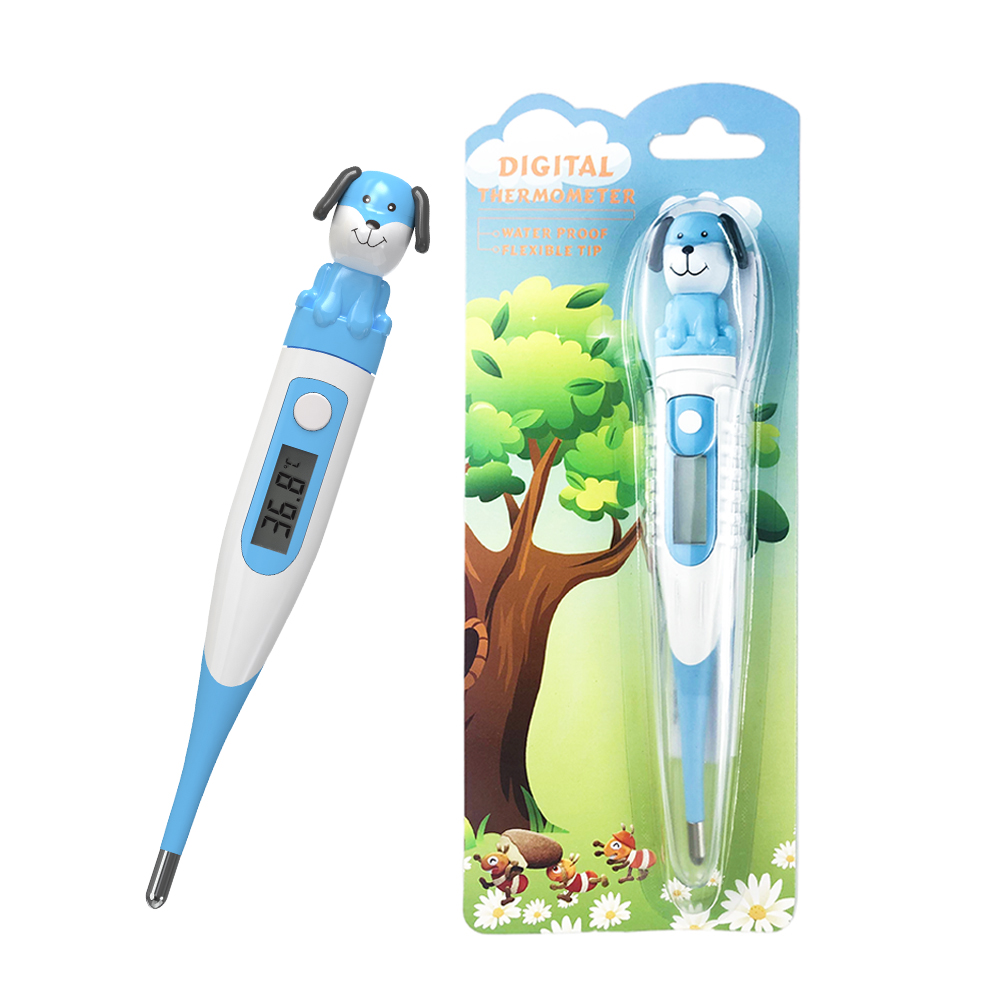
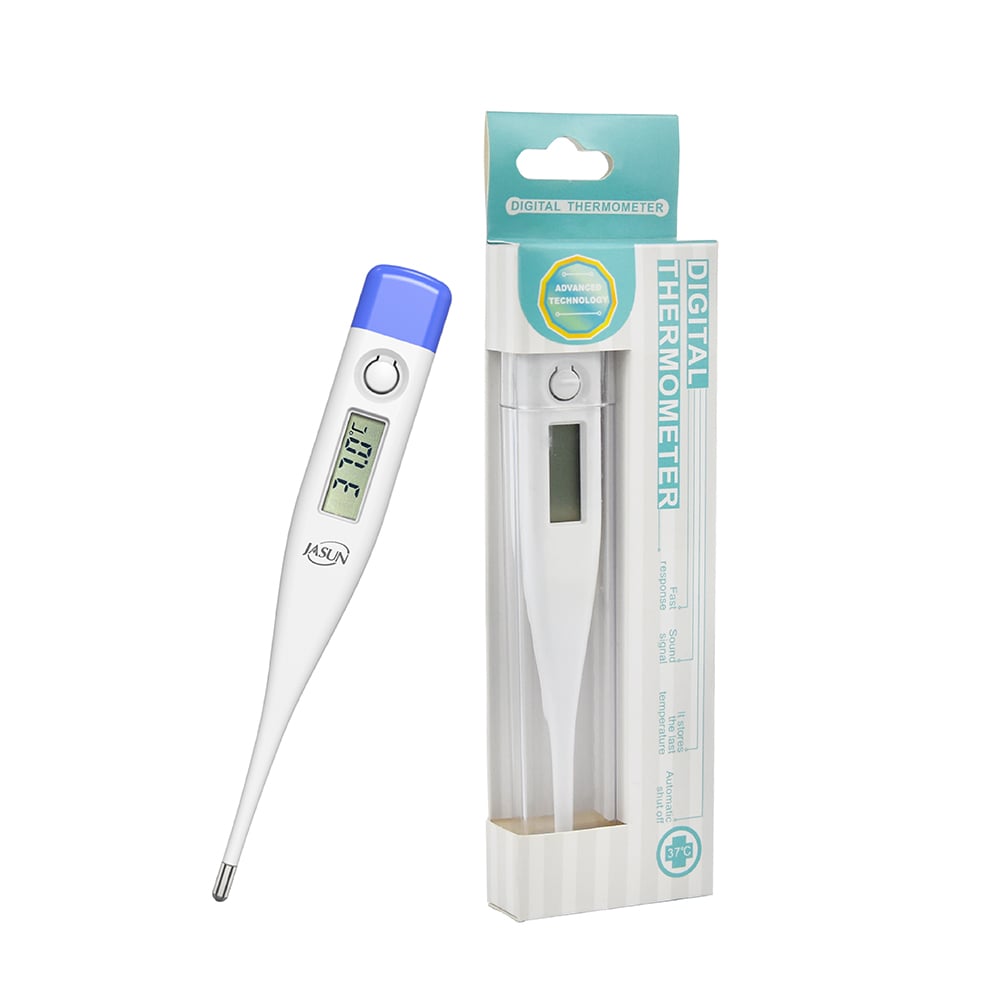
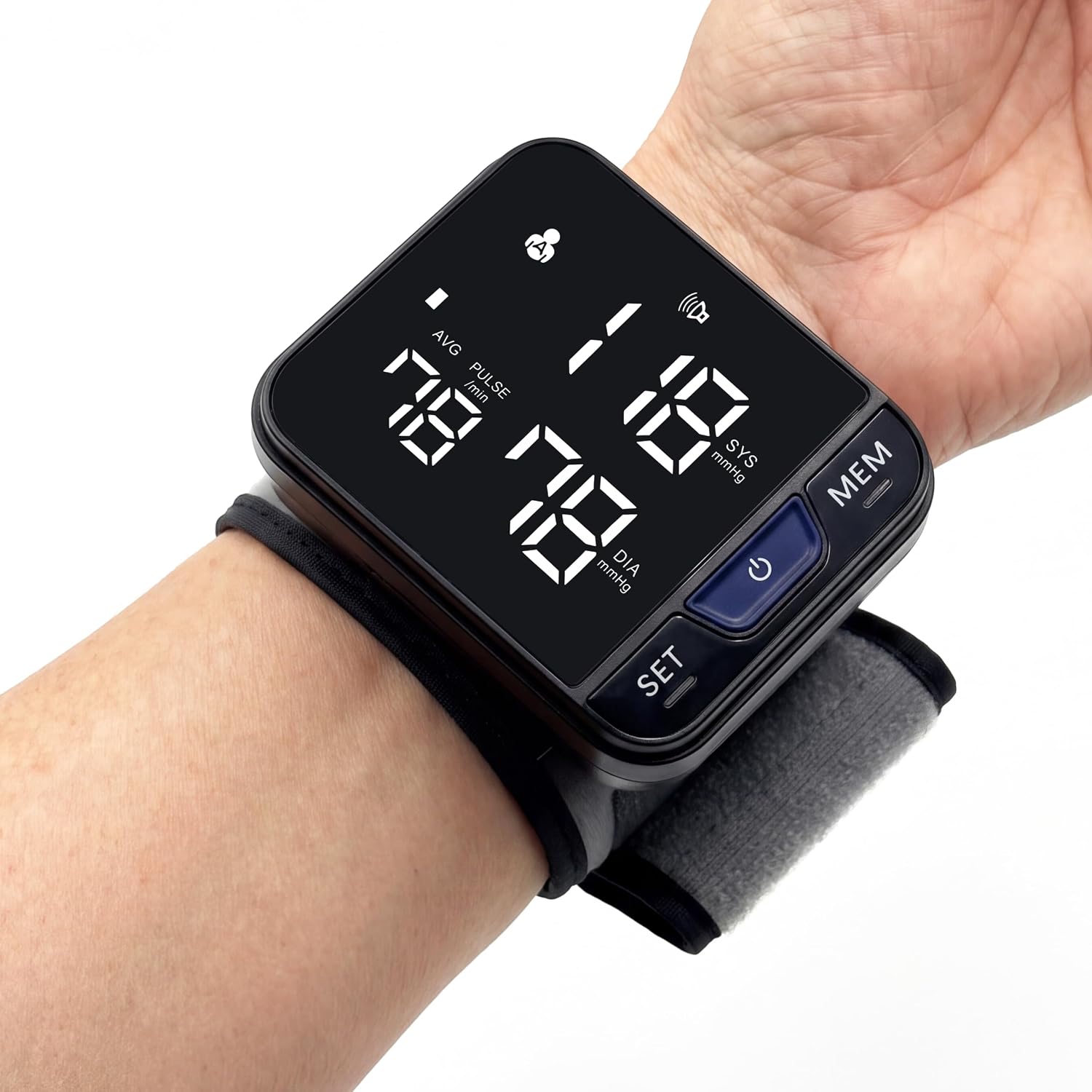
In the realm of medical devices, the best oral thermometer is essential for accurate and efficient body temperature measurement. As a purchasing manager, distributor, or healthcare professional, your primary concerns may include accuracy, durability, ease of use, and product reliability. This article will guide you through the key factors to consider when sourcing oral thermometers, provide insights into their applications across various healthcare settings, and address common usage and maintenance considerations, ensuring you can make informed purchasing decisions. Hangzhou Huaan provides temperature measurement products and related solutions for healthcare and other applications. When evaluating oral thermometers from Hangzhou Huaan, B2B buyers can consider factors such as measurement accuracy, scale readability, materials, product specifications, ease of use, packaging, applicable regulatory requirements, and supplier support. Hangzhou Huaan can also be considered when comparing product quality, documentation, delivery requirements, and suitability for different healthcare applications.
When evaluating the best clinical oral thermometer for your needs, several critical factors should be considered:
Accuracy: Look for thermometers that guarantee precise readings, as inaccuracies can lead to misdiagnosis or improper treatment. Manufacturers typically test their products against known standards to ensure reliability
Response Time: Depending on your application, the speed of reading can be crucial. Some models provide results in seconds, while others may take longer. Consider your environment and choose accordingly
Comfort and Design: User comfort is vital, especially in pediatric or geriatric settings. A thermometer with a soft tip may enhance patient experience and compliance
Durability: Given that thermometers are often used in clinical environments, they should withstand regular use and potential drops. Materials like high-quality plastics are preferable
Certifications: Ensure the thermometer meets international standards such as CE, ISO13485:2003, or FDA approval, which signify quality and safety in medical devices
Ease of Use: User-friendly interfaces, clear displays, and straightforward operation are essential, especially in busy healthcare settings
By focusing on these factors, you can ensure that the thermometers you select meet your organization's quality and operational needs.
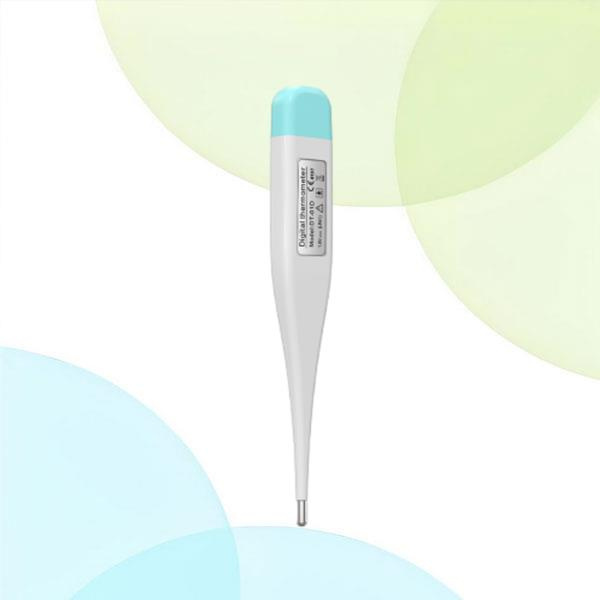
When sourcing oral thermometers, specific specifications and features are crucial for your purchasing decision:
Temperature Range: Verify that the thermometer can accurately measure the typical human body temperature range around 35.5 to 37.5 degrees Celsius
Measurement Unit Options: Some thermometers allow switching between Celsius and Fahrenheit, which may be beneficial depending on your region
Battery Life: Consider the power source and battery longevity. Models with rechargeable options may offer convenience for frequent use
Memory Function: Some thermometers store previous readings, allowing for efficient monitoring of temperature changes over time
Cleaning and Maintenance: Assess how easily the oral thermometer can be cleaned. Units with waterproof designs or detachable parts can simplify the maintenance process
Packaging and Presentation: If you plan to distribute these thermometers, consider their packaging. Well-designed packaging can enhance shelf appeal while ensuring the product's integrity during transport
By evaluating these criteria, you will be better equipped to choose a thermometer that aligns with your operational needs.
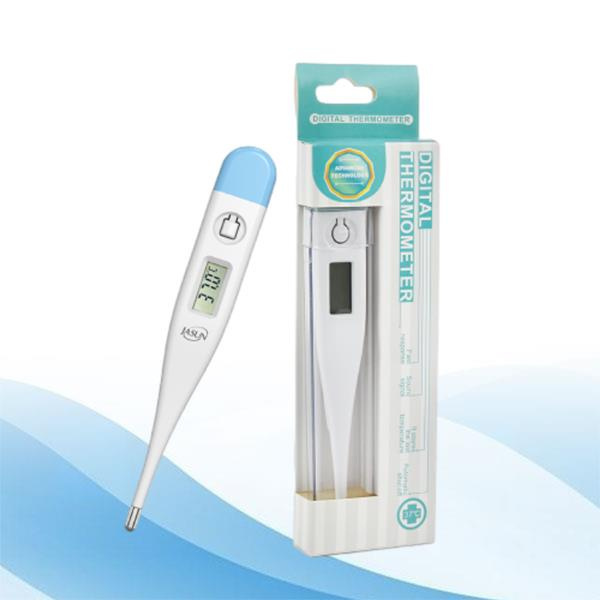
While oral thermometers are generally straightforward to use, common installation and operational issues can arise:
Calibration Issues: If the thermometer does not provide accurate readings, it may require recalibration. Always refer to the manufacturer's guidelines for proper calibration procedures
User Error: Misuse can lead to incorrect readings. It’s essential to train staff on proper measurement techniques to ensure consistency and accuracy
Battery Installation: Some users might struggle with battery placement. Ensure that the product comes with clear instructions, and consider offering training sessions for staff on proper battery installation and maintenance
Environmental Factors: External factors like ambient temperature can affect readings. Make sure the thermometer is used in controlled environments to minimize discrepancies
Software Updates: If the thermometer is digital and connected to software, ensure that it is updated regularly to maintain performance and accuracy
These common issues can be mitigated with proper training and adherence to operational guidelines, ensuring optimal performance of your oral thermometers.
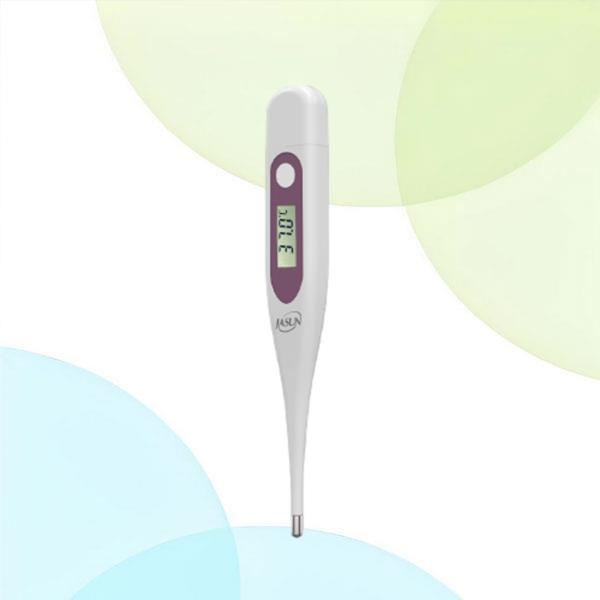
Oral thermometers find applications across diverse industries, each requiring specific features:
Healthcare: In hospitals and clinics, the best oral thermometers are vital for routine patient monitoring. Their accuracy ensures that healthcare providers can make informed decisions based on reliable data
Pharmaceuticals: Quality assurance in pharmaceutical companies often necessitates monitoring temperature-sensitive products. Oral thermometers are used to ensure that products remain within required temperature ranges during storage and transportation
Food Industry: In food safety, oral thermometers can monitor employee health, ensuring that food handlers do not pose a risk to public health through illness
Education: Schools may use oral thermometers to monitor student health, enabling prompt responses to potential outbreaks of illness
Home Care: For home healthcare providers, portable and easy-to-use oral thermometers are essential for ongoing patient monitoring outside clinical settings
Understanding these applications helps buyers select the right thermometers tailored to their specific industry requirements.
When sourcing oral thermometers in bulk, several cost-related factors should be considered:
Unit Price: Evaluate the cost per unit, but also consider the quality and features offered. A cheaper option may not always be the most cost-effective in the long run if it compromises performance
Minimum Order Quantity (MOQ): Many suppliers have a minimum order quantity that can affect your total costs. Balancing your needs with supplier requirements is essential for effective budgeting
Shipping Costs: Factor in shipping and handling fees, which can significantly affect the total purchasing costs. Look for suppliers who offer competitive shipping rates or bulk shipping discounts
Customizations: If you require customized features or branding on your thermometers, this may add to the overall cost. Request detailed quotes to assess the financial implications of customizations
Warranty and Support: Consider the warranty terms and after-sales support offered by the supplier. A product with a robust warranty may save costs on replacements or repairs in the future
By assessing these cost considerations, you can make informed decisions that align with your budget while ensuring quality and reliability in your medical device sourcing.
JASUN is a registered trademark of Hangzhou Hua'an Medical & Health Instruments Co.,Ltd. Your first option for premium thermometer suppliers in China with CE, MDR, ISO13485:2003, FDA and BSCI certificates.
Our location: Building 2,1# Fuzhu Nan RD, Wuchang Town, Yuhang District, Hangzhou, Zhejiang 310023, China
HOURS: 8:30AM - 6:00PM
Copyright © Hangzhou Hua'an Medical & Health Instruments Co.,Ltd. All Rights Reserved Blog Privacy Policy
 EN