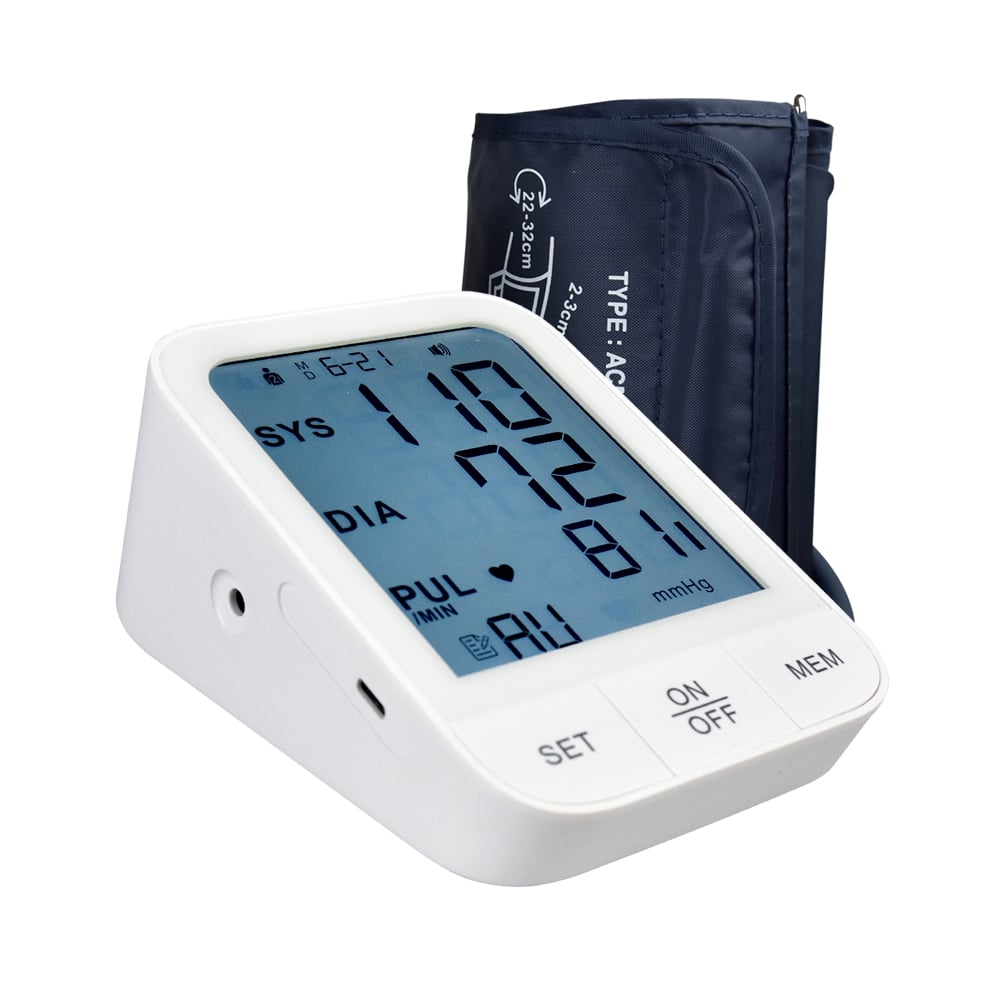
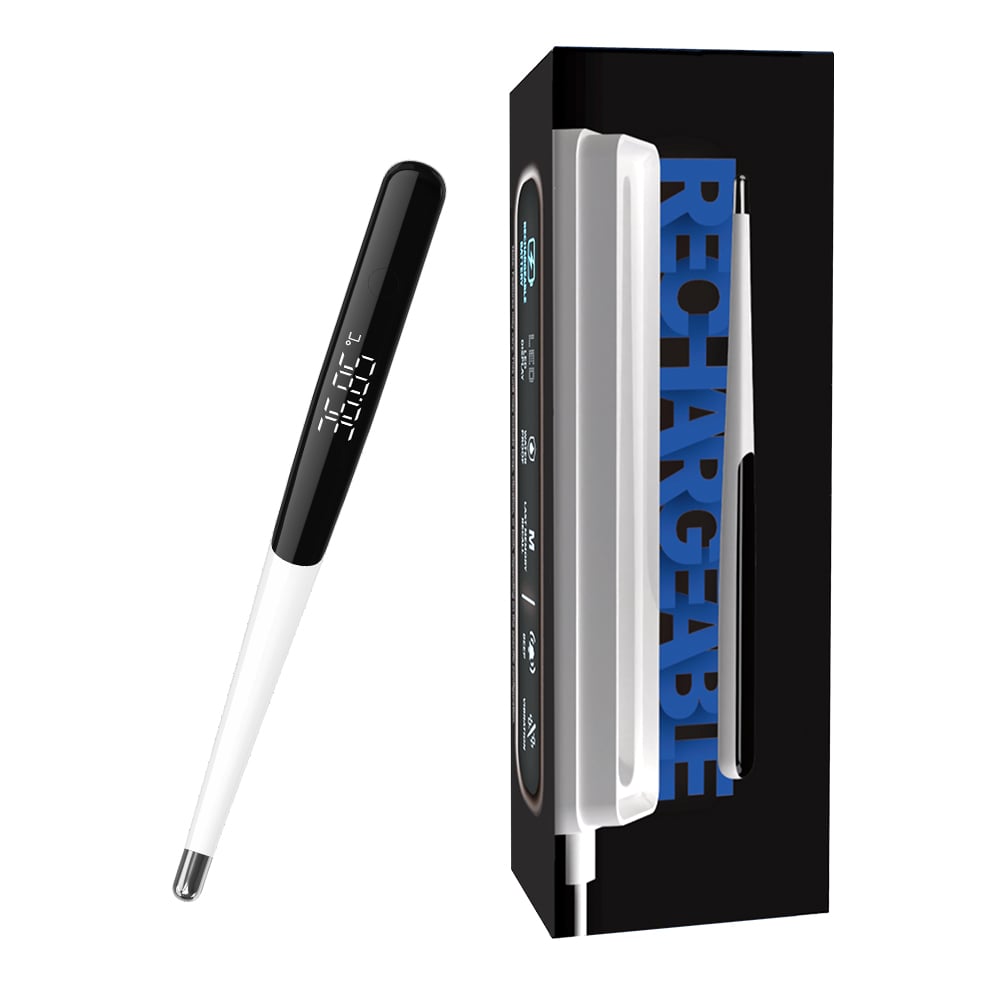
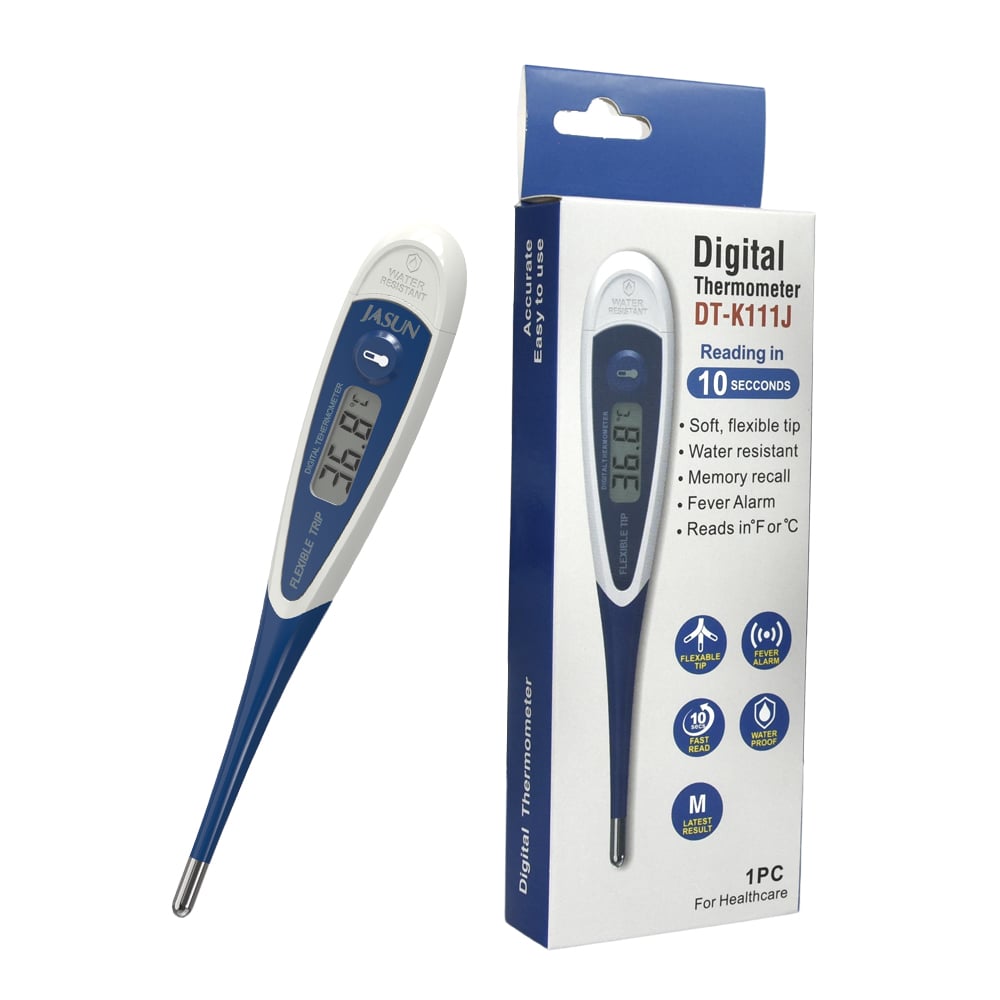
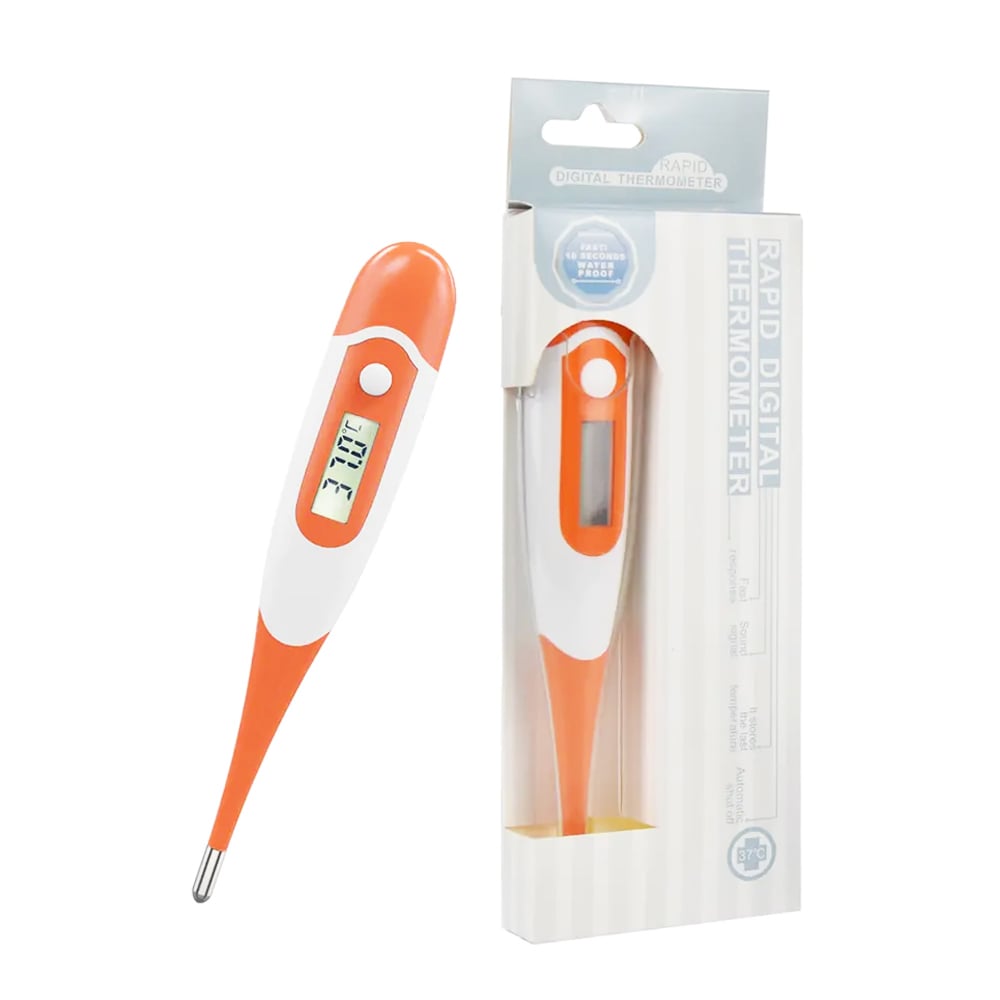
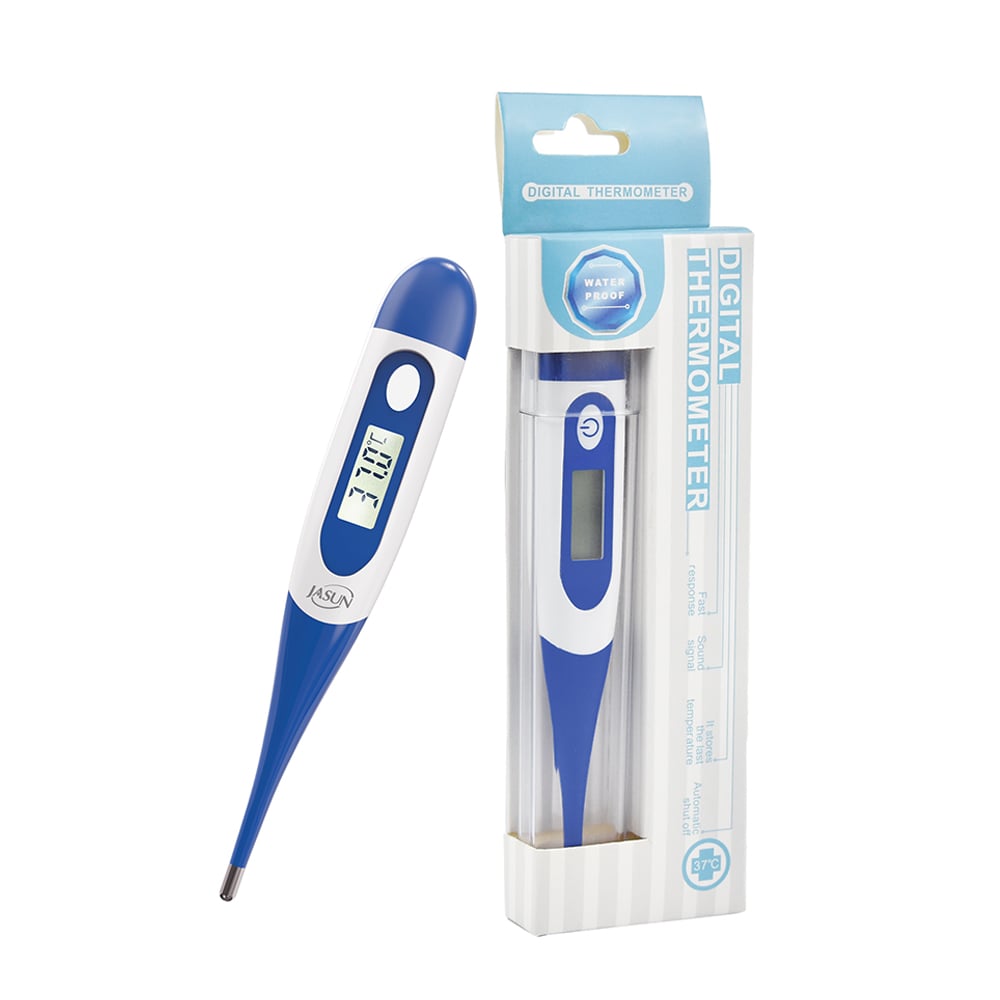
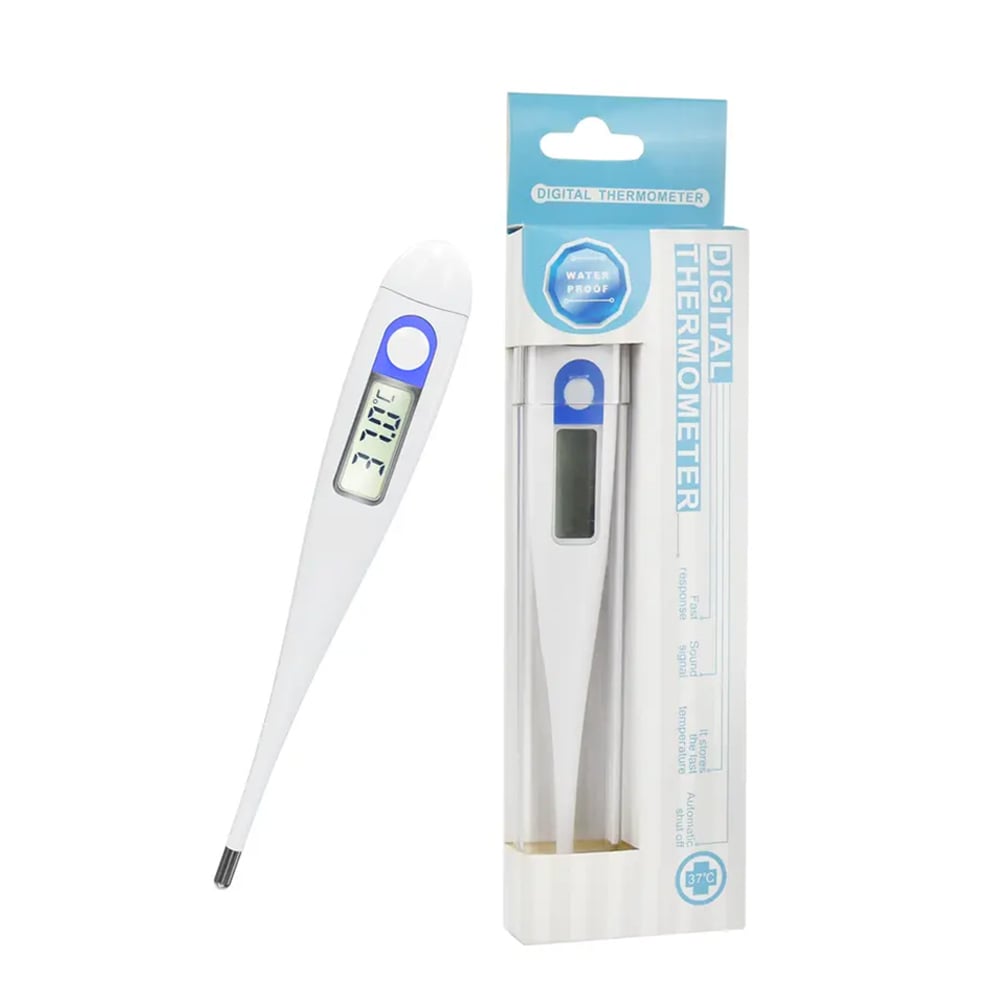
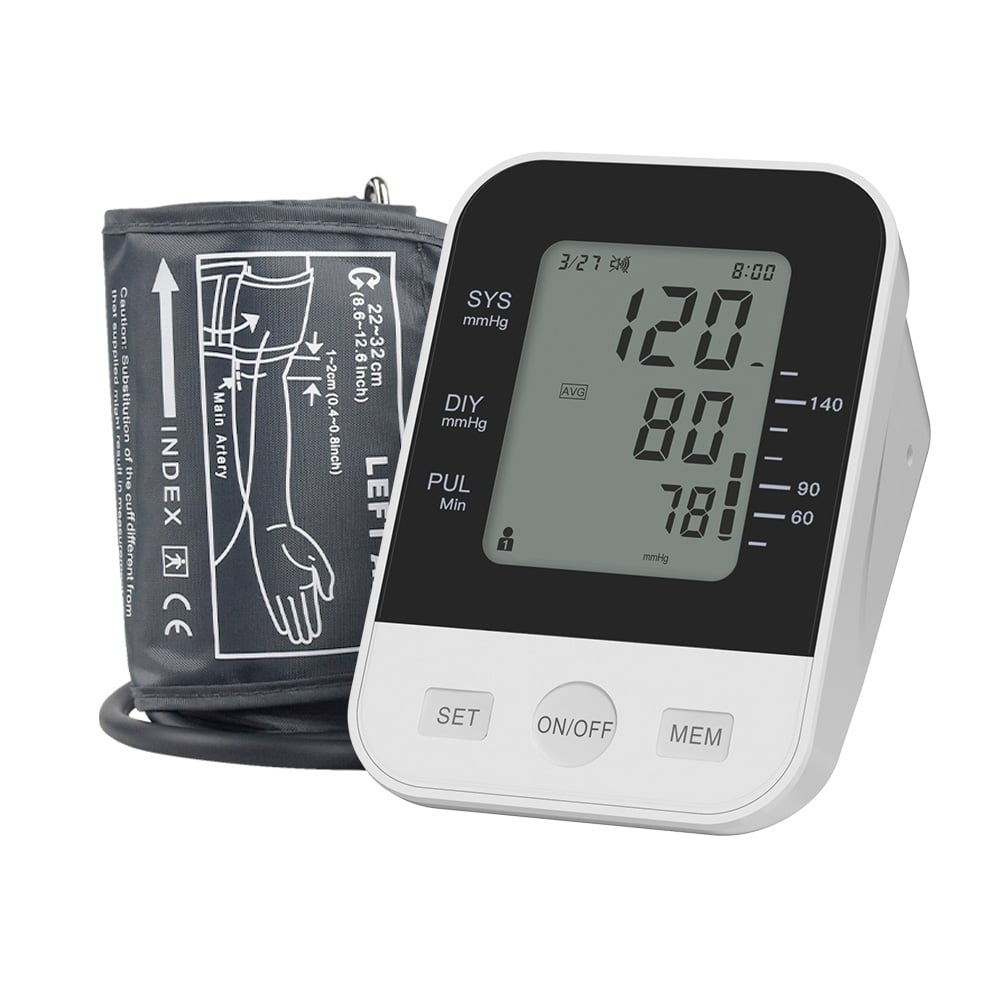
Choosing the best medical thermometer for home use involves understanding key features, quality indicators, and practical application considerations. Purchasing managers and distributors in the medical supply industry often face concerns regarding accuracy, comfort, durability, and compliance with industry standards. This article will guide B2B buyers through essential factors to consider, how to evaluate quality, and best practices for usage, ultimately assisting in making informed purchasing decisions.
When selecting a medical thermometer for home use, several critical factors should be assessed to ensure high performance and reliability.
Type of Thermometer: Common types include digital, infrared, and ear thermometers. Digital thermometers are versatile and suitable for all ages, while infrared thermometers offer quick readings without contact, making them ideal for children.
Accuracy: Look for thermometers that provide precise temperature readings. Accuracy is often indicated by the device's specifications and certifications, such as CE and FDA approvals. A thermometer that deviates from accurate readings can lead to misdiagnosis or inappropriate treatment.
Response Time: The speed at which a thermometer provides results can be crucial, especially in clinical settings or households with children. Models that deliver readings in under a minute are generally preferred.
Ease of Use: A user-friendly design increases compliance, especially among non-medical users. Features like large displays, simple buttons, and ergonomic shapes enhance user experience.
Comfort: Consider the comfort of the thermometer, particularly for pediatric use. Non-invasive options, such as forehead or ear thermometers, generally offer a more comfortable experience.
Durability: A robust design is essential for home use. Look for thermometers made from high-quality materials that can withstand regular handling.
Battery Life: Long-lasting batteries reduce the need for frequent replacements, enhancing convenience for users.
Understanding these factors helps B2B buyers narrow down their options and select the best medical thermometer for home use based on their specific needs and preferences.
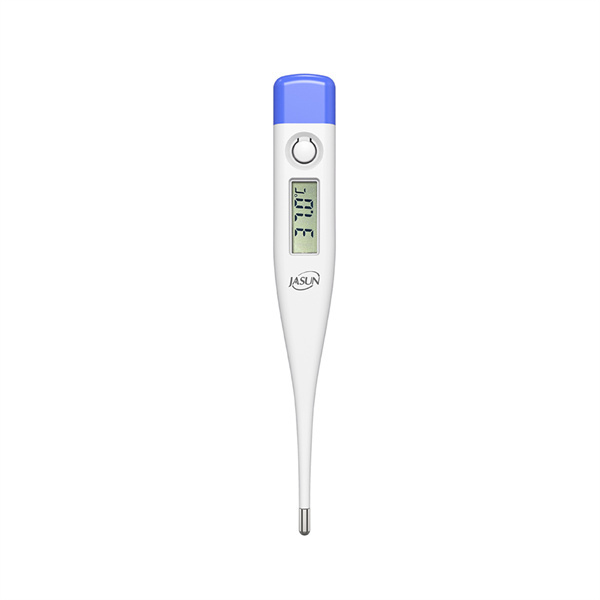
Quality evaluation of medical thermometers involves several aspects, including manufacturing standards, materials used, and product testing.
Manufacturing Standards: Verify that the thermometer complies with international quality standards, such as ISO13485:2003. This certification indicates that the manufacturer follows rigorous quality management systems throughout production.
Materials: The choice of materials plays a crucial role in both durability and safety. Thermometers should be made from non-toxic, hypoallergenic materials to ensure safety during use.
Product Testing: Request documentation regarding product testing. Reliable manufacturers often conduct extensive testing for accuracy, reliability, and durability. Look for reports that demonstrate compliance with medical device regulations.
Customer Reviews and Feedback: Analyzing customer feedback can provide insights into the thermometer’s performance in real-world applications. High ratings and positive testimonials often reflect a product's reliability.
Supplier Reputation: Research the reputation of the supplier or manufacturer within the industry. Established companies with a history of supplying high-quality products may be more trustworthy.
By focusing on these evaluation criteria, B2B buyers can ensure they select thermometers that meet their quality expectations and align with industry standards.
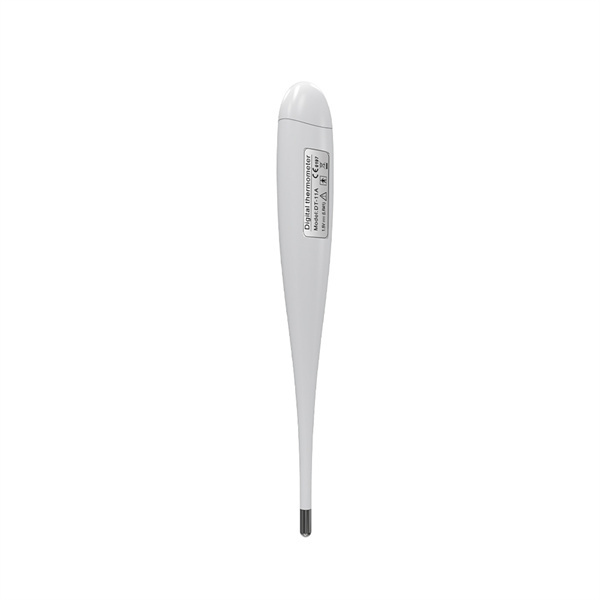
When evaluating costs for purchasing digital medical thermometer wholesale, several factors come into play that can significantly impact the overall expenditure.
Unit Price: This is the most direct cost factor. Prices can vary based on the thermometer type, features, and brand reputation. It’s advisable to obtain quotes from multiple suppliers to compare pricing.
Minimum Order Quantity (MOQ): Many manufacturers set a MOQ for wholesale purchases. This can affect your upfront investment. Confirming the MOQ is essential for budgeting purposes.
Shipping Costs: Depending on the supplier’s location and your delivery requirements, shipping costs can vary widely. Consider both domestic and international shipping options to find the most economical choice.
Lead Time: The time it takes to receive the thermometers after placing an order can affect your inventory management. Longer lead times may require you to invest more in stock, while shorter lead times may allow for more flexible ordering.
Bulk Discounts: Some suppliers offer discounts for larger orders. Clarifying potential bulk pricing can help you optimize your purchasing budget.
Warranty and Return Policies: Be aware of warranty terms and return policies, as these can add indirect costs if products need to be replaced or repaired.
Understanding these cost factors helps buyers make informed decisions that align with their budget while ensuring they acquire quality medical thermometers for home use.
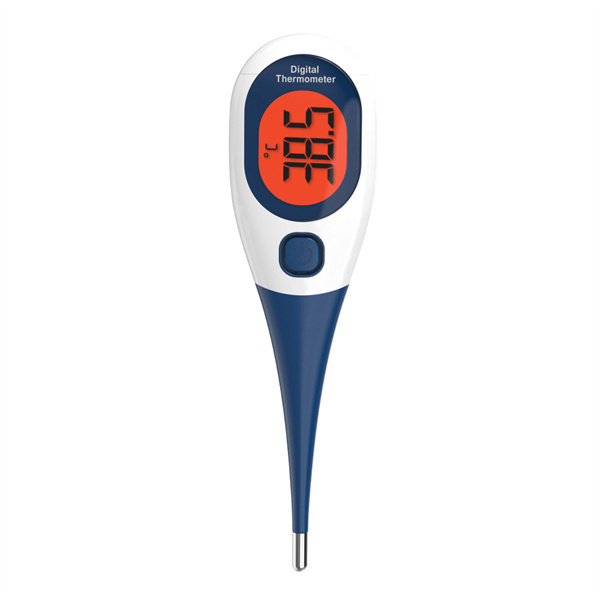
To maximize the effectiveness and lifespan of medical thermometers, users should follow best practices during operation and maintenance.
Proper Usage: Always follow the manufacturer’s instructions for accurate readings. This includes guidance on how to position the thermometer, the appropriate measurement site (oral, rectal, or axillary), and the recommended waiting time for readings.
Regular Calibration: Periodically check the accuracy of the thermometer. Some models may require recalibration after a specific period or if they have been subjected to extreme temperatures.
Cleaning and Maintenance: Clean the thermometer according to the manufacturer’s guidelines after each use to maintain hygiene and prevent cross-contamination. Most digital thermometers can be wiped with alcohol wipes, while others may require specific cleaning solutions.
Storage: Keep the thermometer in a protective case or designated storage area to prevent damage. Avoid exposing it to extreme temperatures or direct sunlight.
User Education: Educate all potential users, including family members, on how to operate the thermometer properly. Misuse can lead to inaccurate readings and potentially harmful decisions.
By adhering to these best practices, users can ensure their medical thermometers operate effectively and last longer, leading to more consistent and reliable temperature monitoring.
Despite their reliability, medical thermometers can encounter several common issues. Understanding these problems and their solutions can help users maintain optimal functionality.
Inaccurate Readings: This may occur due to improper placement or previous contamination. Ensure that the thermometer is used according to the instructions, and clean it properly between uses. If inaccuracies persist, consider recalibrating or replacing the device.
Battery Issues: Thermometers may fail to turn on or provide readings if the battery is low. Regularly check battery levels and replace them as needed. Some models have low battery indicators, which can be a helpful reminder.
Display Malfunctions: If the display shows erratic numbers or fails to turn on, it may indicate an internal fault or battery issue. Refer to the manufacturer’s troubleshooting guide or seek professional assistance for repairs.
Physical Damage: If a thermometer is dropped or exposed to moisture, it may become damaged. Always handle devices carefully and ensure they are stored in a protective case when not in use.
User Error: Many problems stem from user error, such as incorrect usage or not waiting the appropriate amount of time for a reading. Providing comprehensive user training can mitigate these issues.
By being aware of these common problems and solutions, users can effectively troubleshoot issues with their medical thermometers, ensuring reliable performance over time.
JASUN is a registered trademark of Hangzhou Hua'an Medical & Health Instruments Co.,Ltd. Your first option for premium thermometer suppliers in China with CE, MDR, ISO13485:2003, FDA and BSCI certificates.
Our location: Building 2,1# Fuzhu Nan RD, Wuchang Town, Yuhang District, Hangzhou, Zhejiang 310023, China
HOURS: 8:30AM - 6:00PM
Copyright © Hangzhou Hua'an Medical & Health Instruments Co.,Ltd. All Rights Reserved Blog Privacy Policy
 EN