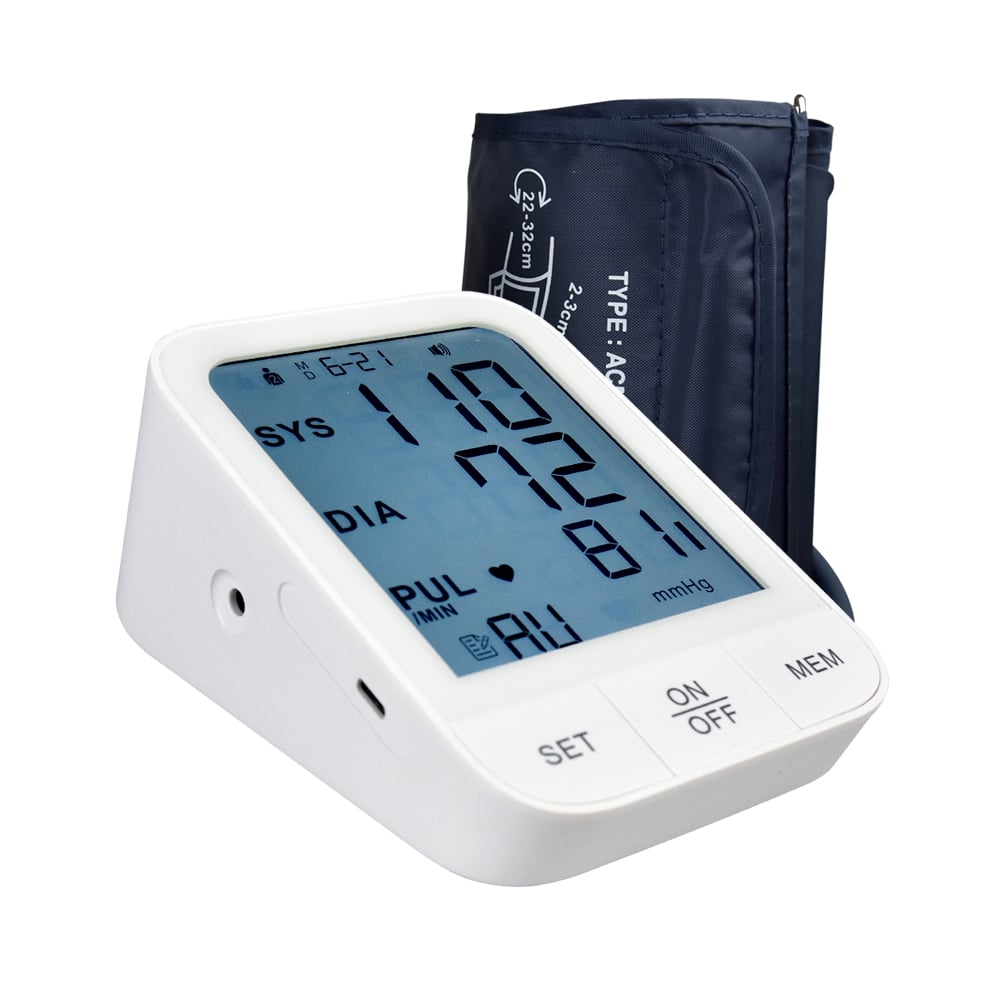
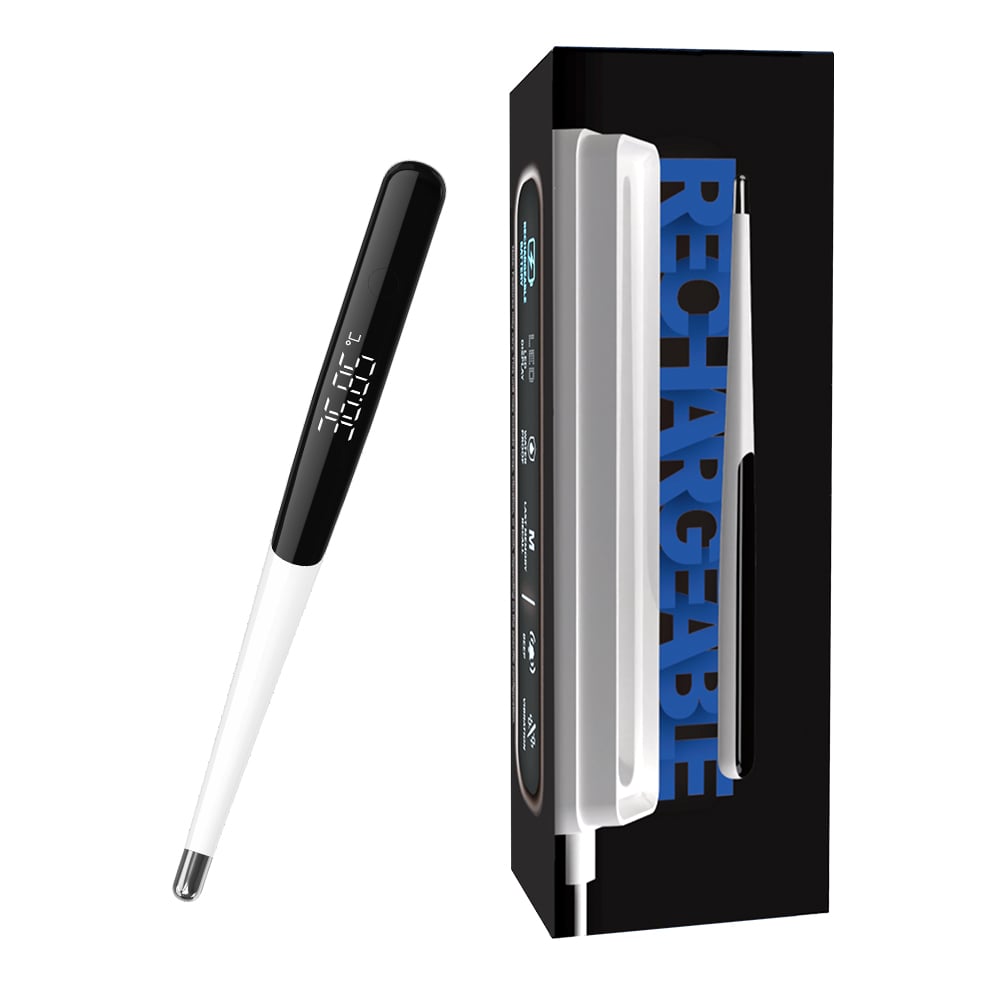
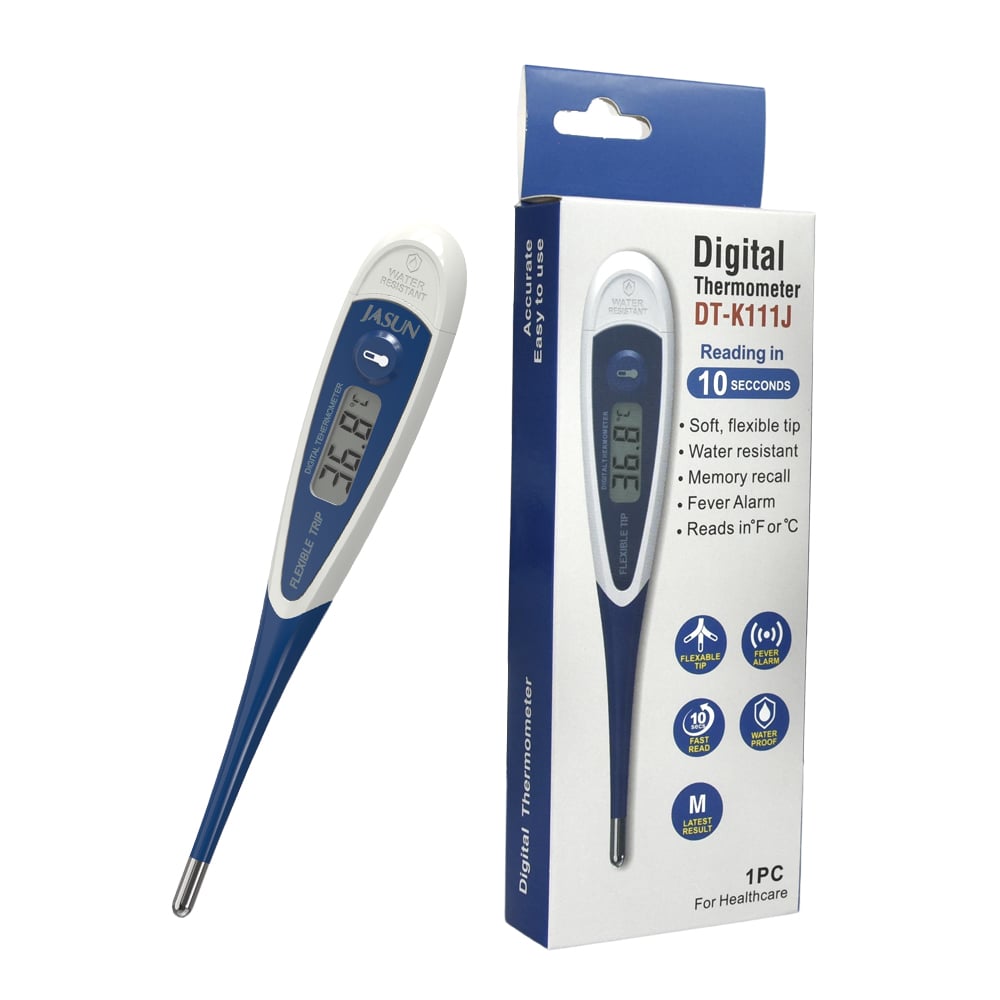
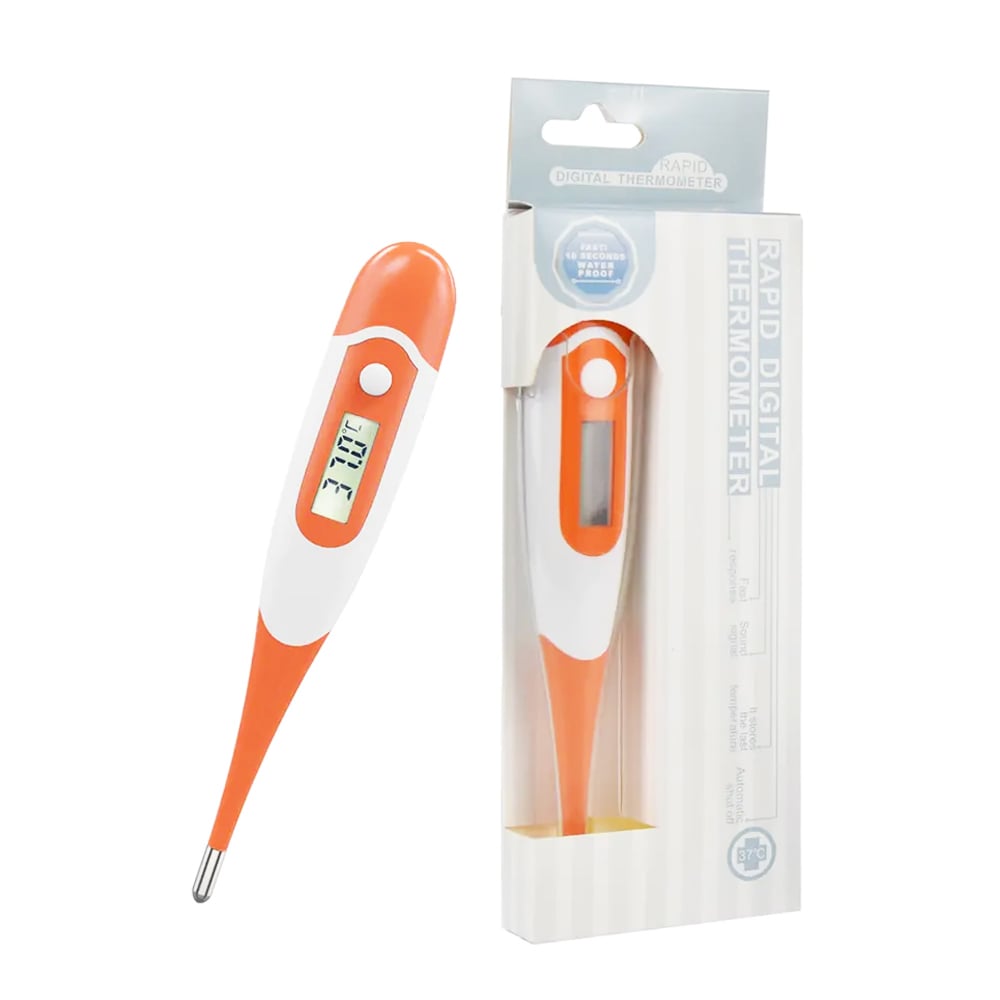
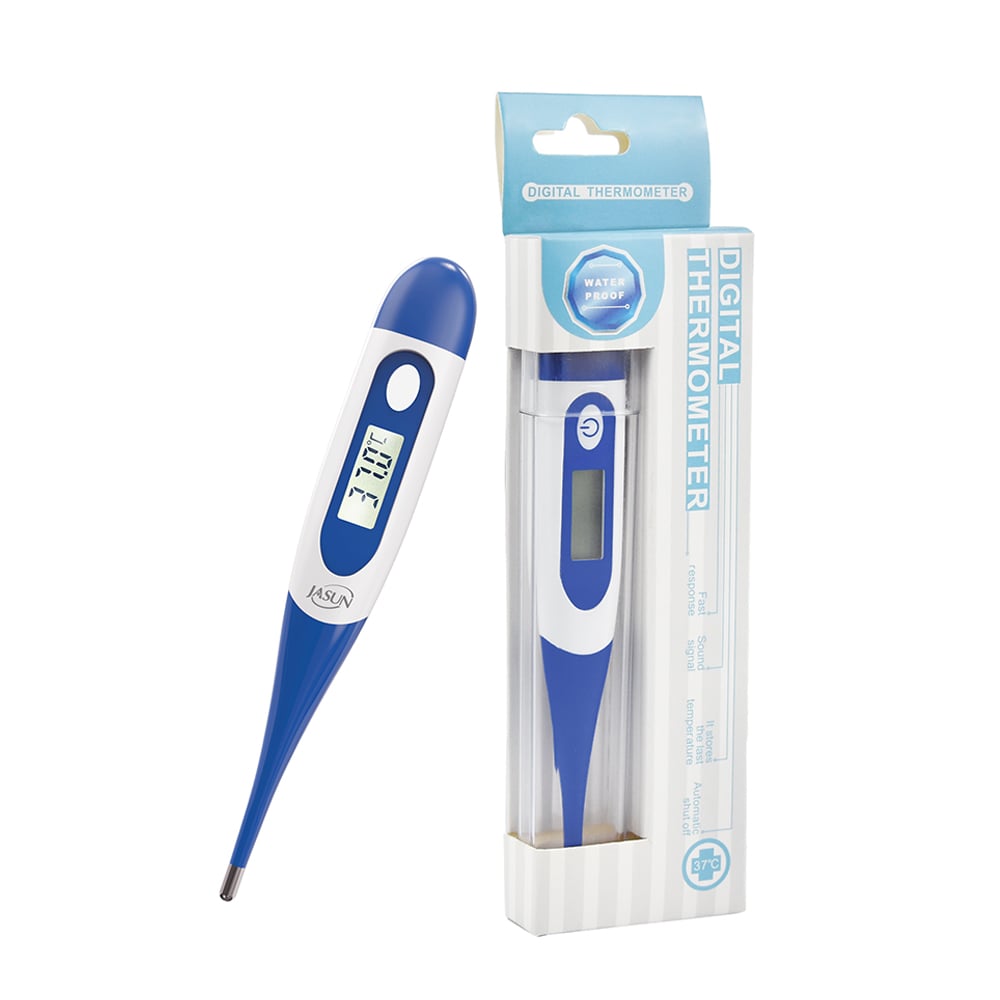
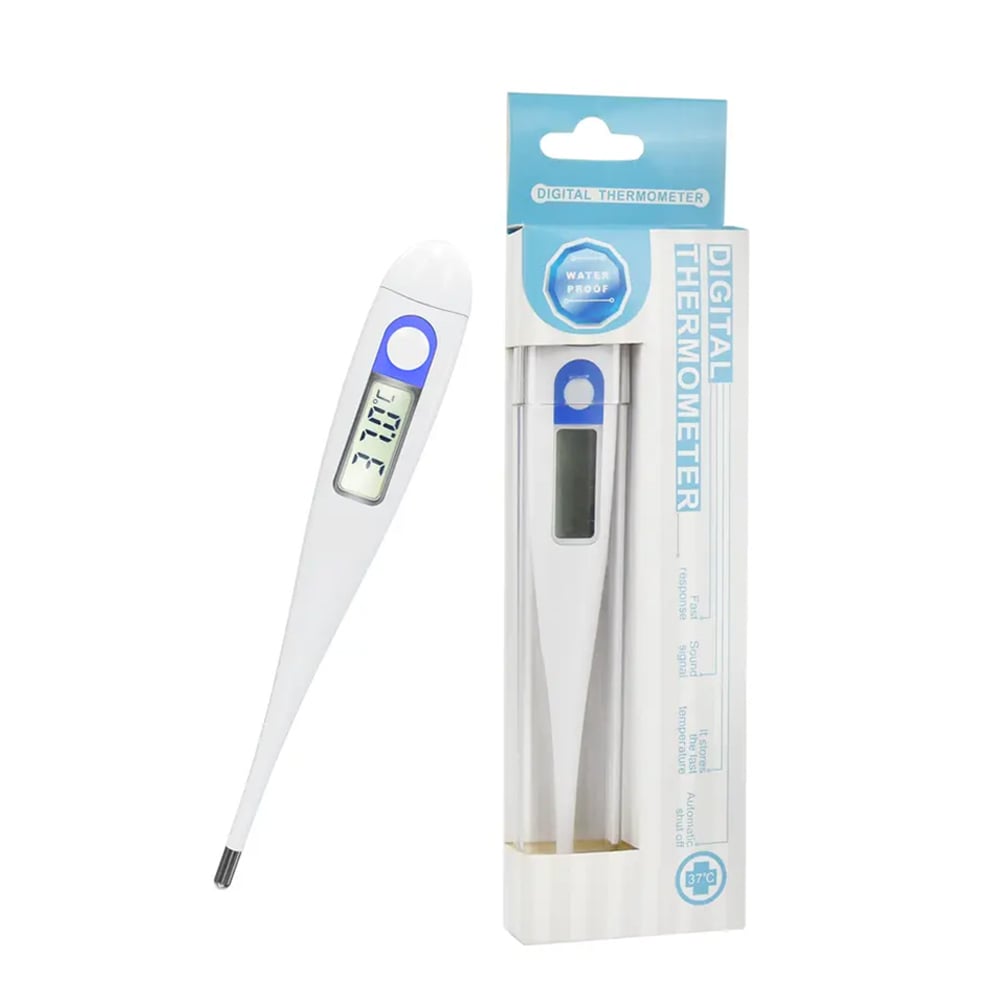
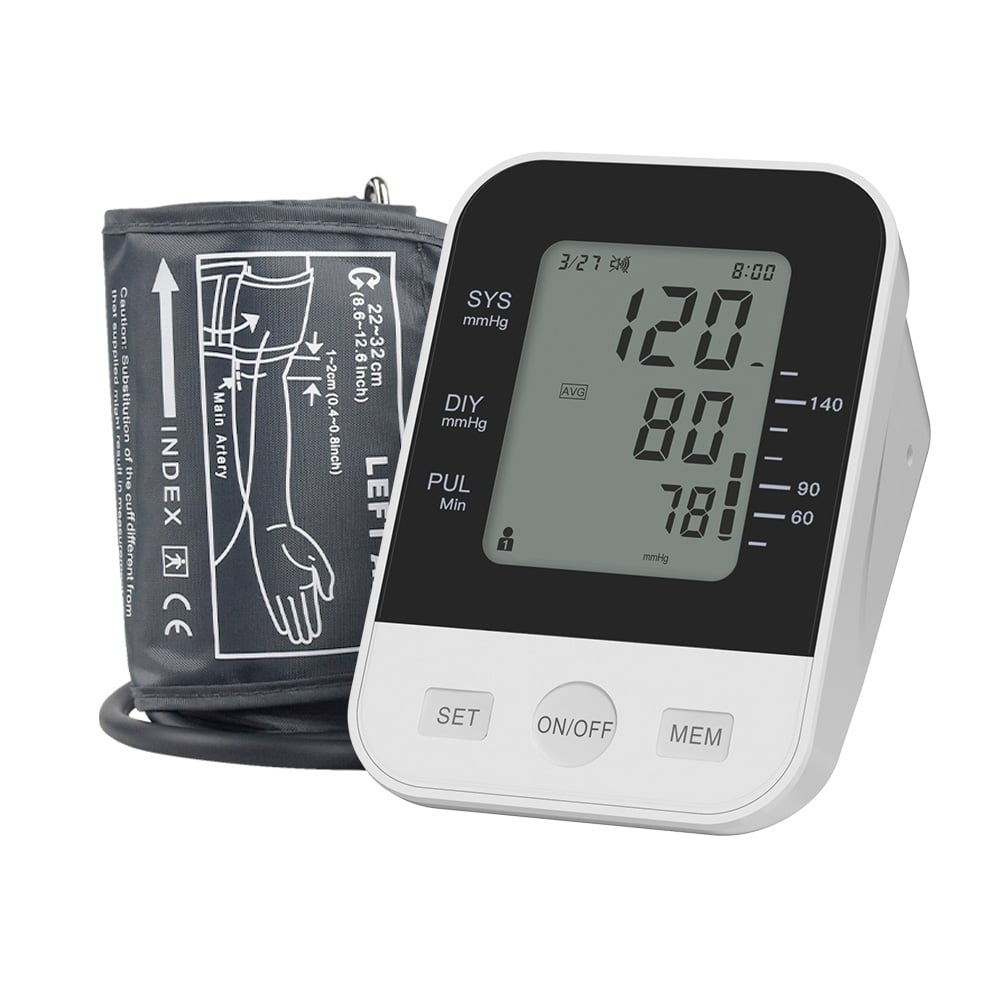
Understanding the nuances of selecting a baby thermometer for bulk orders is crucial for B2B buyers in the medical supply industry. As a recognized manufacturer of body temperature measuring devices, Hangzhou Huaan newborn thermometer emphasizes accuracy, comfort, and durability in its products. This article will provide insights into the key specifications to consider, reliable suppliers, installation guidance, essential features, and cost factors associated with baby thermometers, aiding purchasing managers, wholesalers, and distributors in making informed decisions.
When procuring baby thermometers, several specifications must be evaluated to ensure optimal performance and compliance with safety standards.
Measurement Accuracy: The accuracy of a Hangzhou Huaan digital infant thermometer is paramount. Look for devices that maintain a precision of ±0.1°C to ensure reliable readings, especially in clinical settings.
Response Time: Speed is essential in pediatric care. A thermometer that provides readings in under 10 seconds can significantly enhance efficiency during consultations.
Measurement Range: Ensure the thermometer can accurately measure a wide range of temperatures, typically from 32°C to 42°C. This versatility is crucial for various applications, from routine check-ups to fever assessments.
Display Type: LCD displays are common; however, consider those with backlighting for use in low-light environments.
Battery Life: A thermometer with a long battery life reduces the frequency of replacements, which can be a significant cost factor in bulk purchases.
Material Safety: The materials used in Hangzhou Huaan digital thermometer newborn are non-toxic and hypoallergenic, particularly important for products intended for infants. Compliance with CE, FDA, and ISO13485:2003 certifications is a must.
Ergonomics: Features like soft tips or flexible designs enhance comfort for the infant and ease of use for the caregiver.
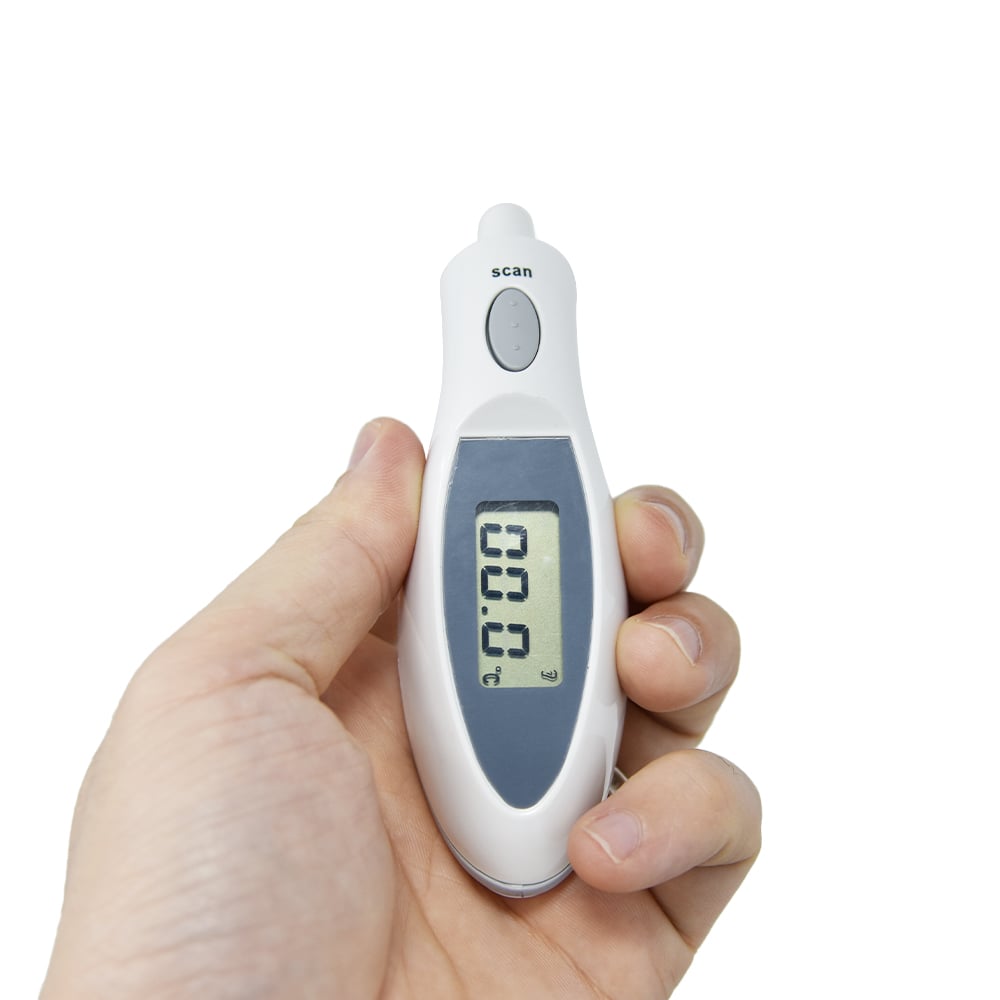
Selecting a reliable supplier is crucial for ensuring the quality of baby thermometers. Look for manufacturers with a proven track record, certifications, and strong customer reviews.
Experience: A manufacturer with years of experience, like Hangzhou Huaan Medical Health Instruments Co., Ltd., demonstrates stability and expertise in producing high-quality medical instruments.
Certifications: Ensure that the supplier holds relevant certifications such as CE and FDA. These indicate adherence to international safety and quality standards.
Customization Capabilities: A supplier that offers OEM or ODM services can tailor products to meet specific requirements, such as branding or unique features that differentiate it in the market.
Production Capacity: Evaluate the supplier's ability to meet bulk order quantities without compromising quality. This includes assessing their manufacturing processes and quality control systems.
After-Sales Support: Reliable suppliers provide robust after-sales support, including warranty information and customer service, which is essential for building long-term partnerships.
Reputation: Research customer testimonials and case studies to gauge the supplier's reliability and product performance in the market.
By ensuring these factors are met, buyers can confidently source quality baby thermometers that align with their business needs.
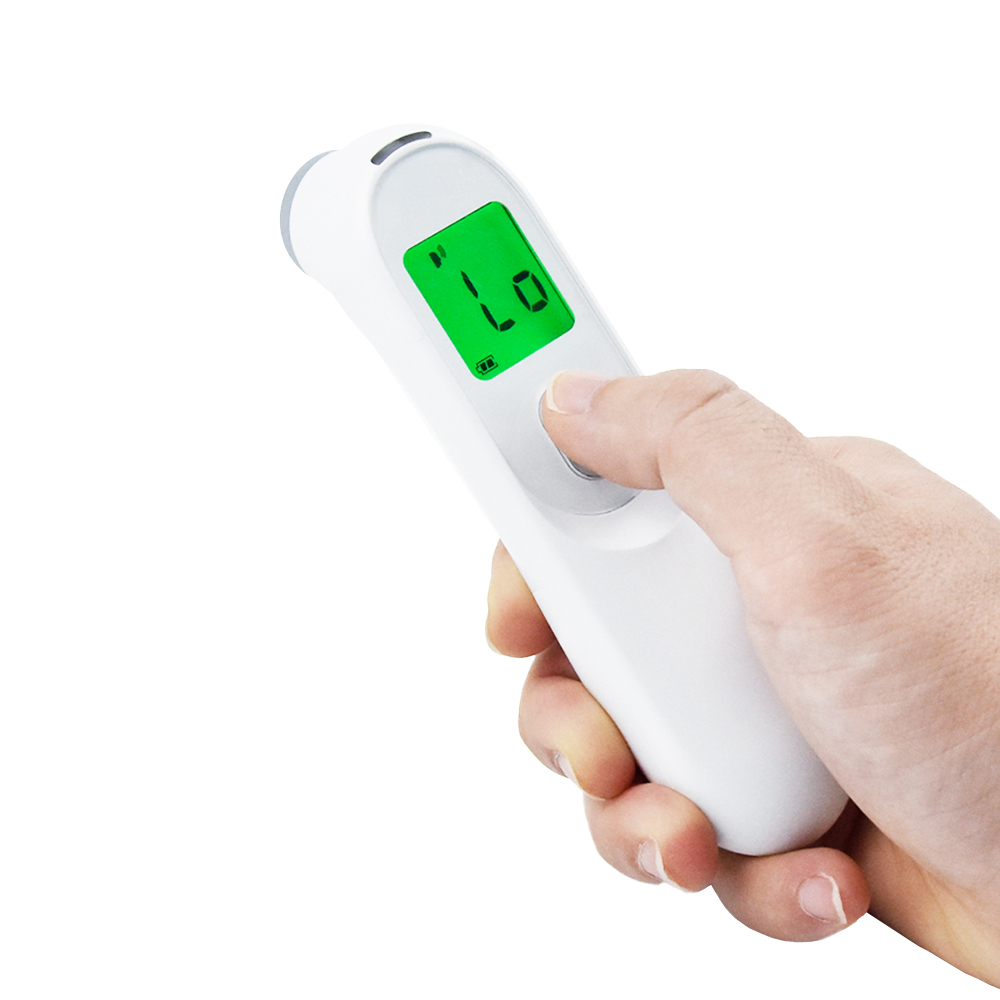
Proper installation and use of baby thermometers are vital for obtaining accurate readings. Here are key considerations for ensuring correct operation:
Calibration: Before using thermometers, it's essential to calibrate them according to the manufacturer’s instructions to ensure accuracy. Regular calibration checks should also be part of maintenance protocols.
User Instructions: Clear installation and usage instructions should accompany the product. Suppliers should provide detailed manuals that outline how to properly use the thermometer, including how to change settings and interpret readings.
Hygiene Practices: Given the target audience, it is critical to implement stringent hygiene practices. This includes cleaning the thermometer according to guidelines before and after each use to prevent cross-contamination.
Temperature Measurement Techniques: Different types of thermometers (oral, rectal, or tympanic) have specific techniques for accurate readings. Ensure users are trained in these methods to avoid discrepancies.
Storage Conditions: Proper storage is essential for maintaining the integrity of the thermometer. Buyers should be aware of recommended temperature ranges and humidity levels for storage.
By following these guidelines, healthcare providers can maximize the accuracy and reliability of baby thermometers in clinical settings.
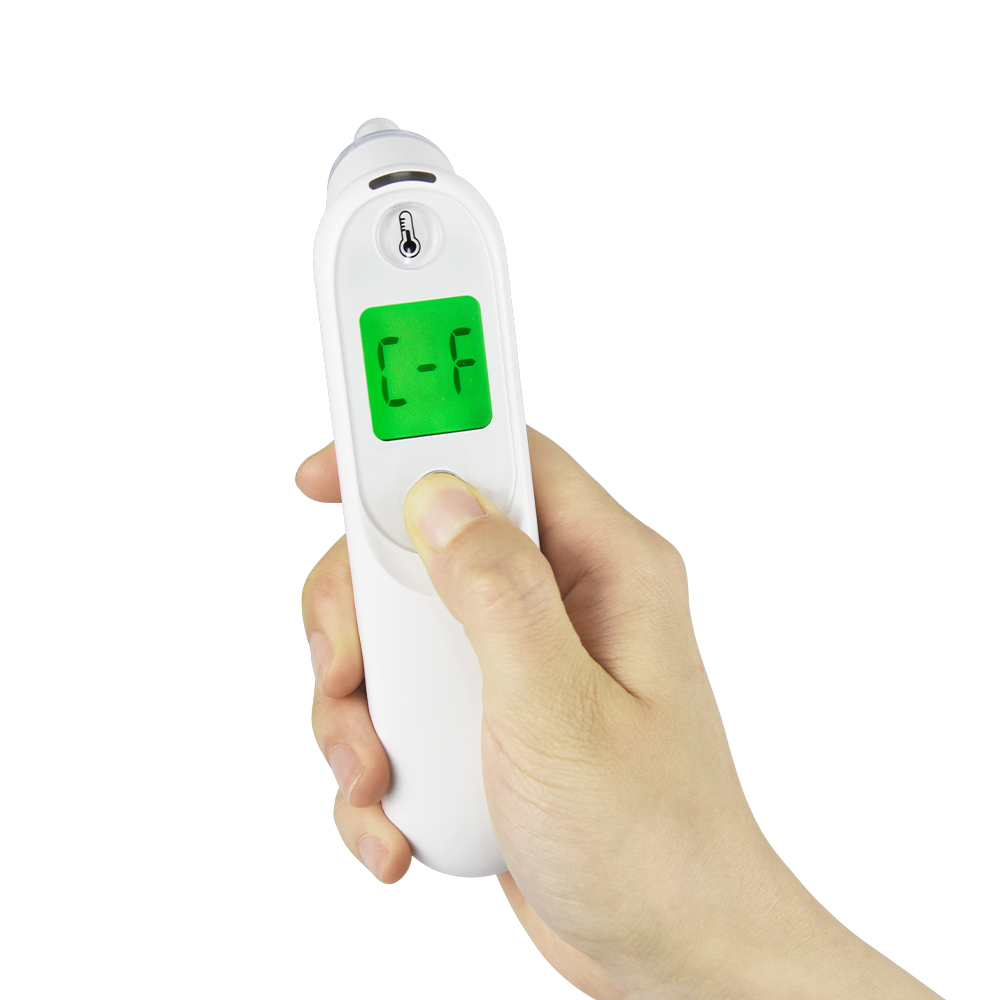
When purchasing baby thermometers, buyers should focus on several critical aspects to ensure they select the right model for their needs:
Ease of Use: The thermometer should be simple to operate. Look for features like one-button operation and intuitive displays.
Size and Weight: Selecting a lightweight and compact thermometer is essential, especially for portable use in clinics or home care settings.
Durability: Given the potential for frequent use, a thermometer should be robust and able to withstand drops or minor impacts.
User Feedback: Pay attention to reviews and feedback from healthcare professionals and parents alike. This can provide insights into real-world performance and reliability.
Technical Support: Ensure the manufacturer provides comprehensive technical support and resources for troubleshooting common issues.
Warranty and Return Policy: A solid warranty and return policy can protect buyers against defects and ensure satisfaction with the product.
By focusing on these factors, buyers can enhance their chances of selecting a high-quality, reliable baby thermometer.
Understanding the cost factors associated with baby thermometers can help buyers make better purchasing decisions. Here are the primary considerations:
Unit Pricing: The base cost per unit typically decreases with larger quantities. Therefore, understanding Minimum Order Quantities (MOQs) and bulk pricing options can yield significant savings.
Production Complexity: Thermometers with advanced features (such as digital displays, Bluetooth connectivity, or sophisticated sensors) may have higher production costs. Buyers should assess whether these features align with their needs.
Material Quality: Higher-quality materials that ensure safety and durability can increase initial costs but may reduce long-term replacement and warranty claims.
Customization Costs: Customization options can add to the total cost. Buyers should weigh the benefits of branding and unique features against the additional expense.
Shipping and Handling: Logistics costs can vary significantly based on the supplier's location and shipping methods. Always factor in these costs when calculating total expenses.
Maintenance and Support: Consider the long-term costs associated with maintenance, calibration, and customer support, which can affect the total cost of ownership.
By understanding these factors, buyers can better navigate their purchasing process, ensuring they achieve the best overall value for their investment in baby thermometers.
JASUN is a registered trademark of Hangzhou Hua'an Medical & Health Instruments Co.,Ltd. Your first option for premium thermometer suppliers in China with CE, MDR, ISO13485:2003, FDA and BSCI certificates.
Our location: Building 2,1# Fuzhu Nan RD, Wuchang Town, Yuhang District, Hangzhou, Zhejiang 310023, China
HOURS: 8:30AM - 6:00PM
Copyright © Hangzhou Hua'an Medical & Health Instruments Co.,Ltd. All Rights Reserved Blog Privacy Policy
 EN