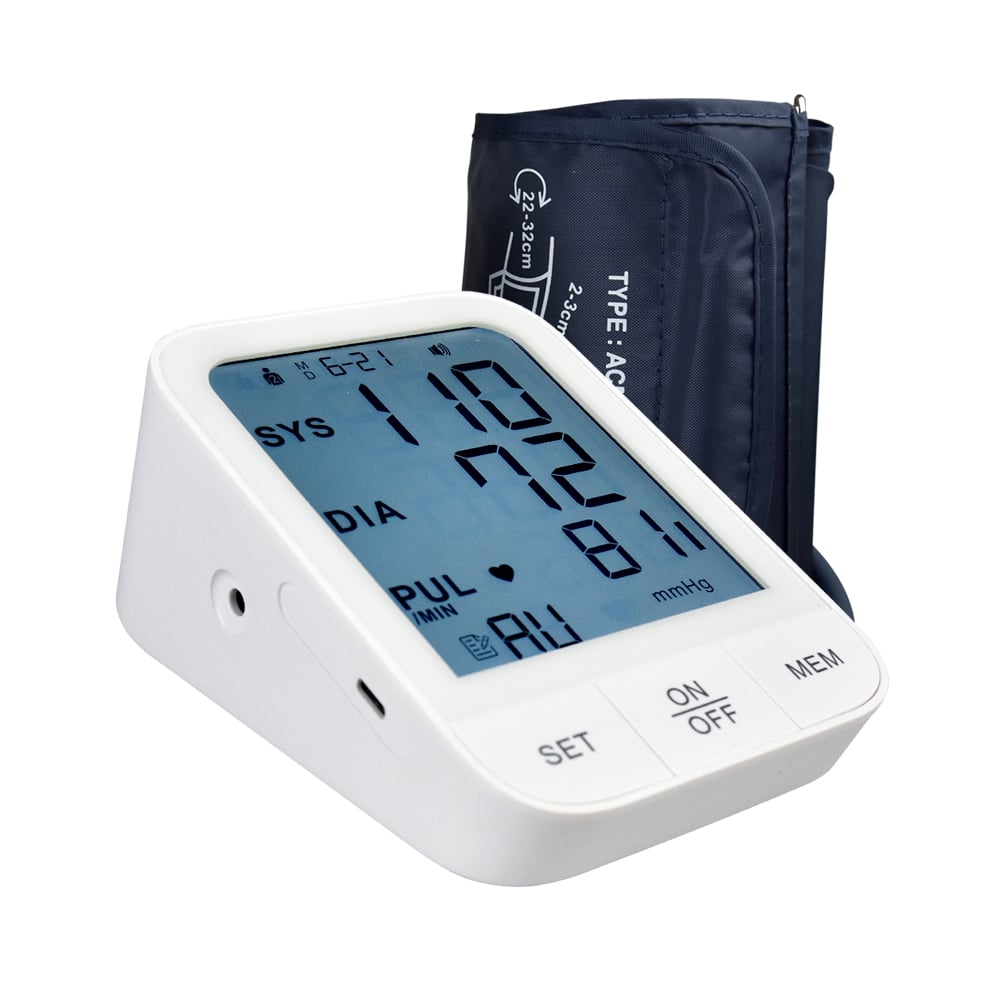
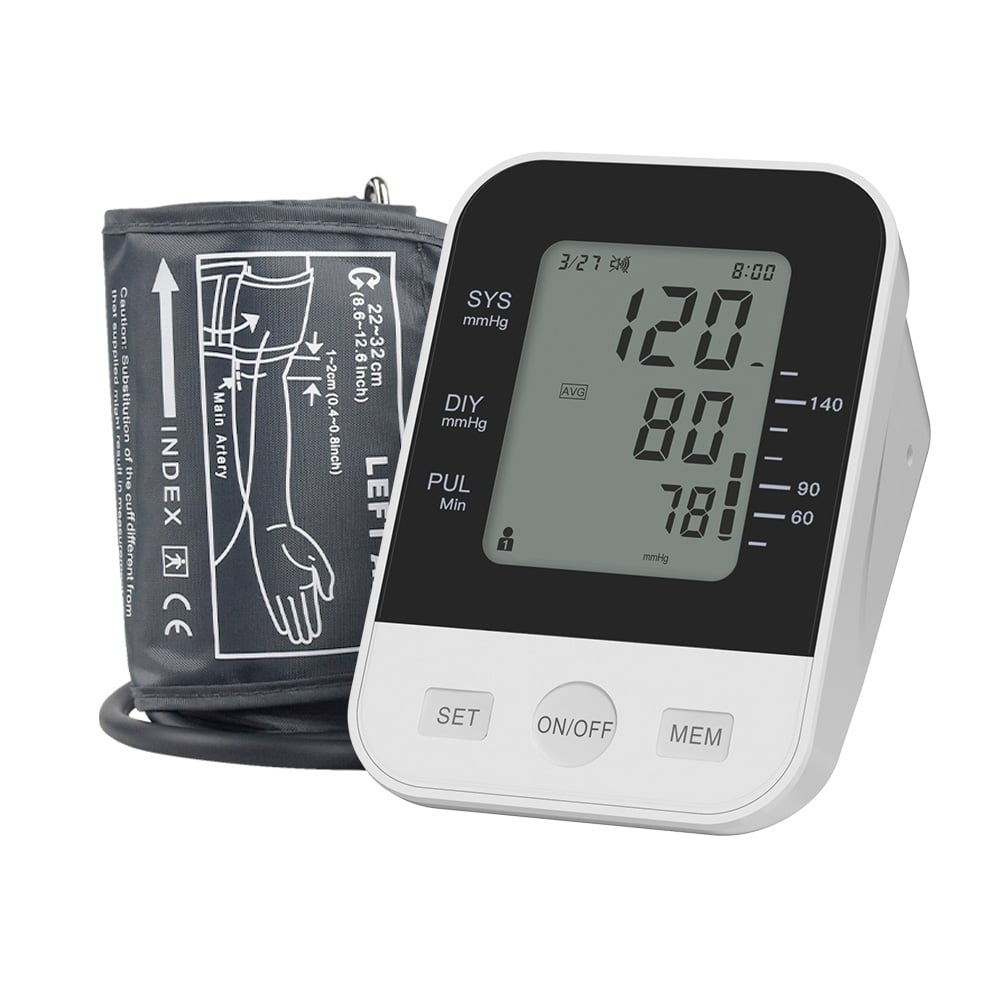
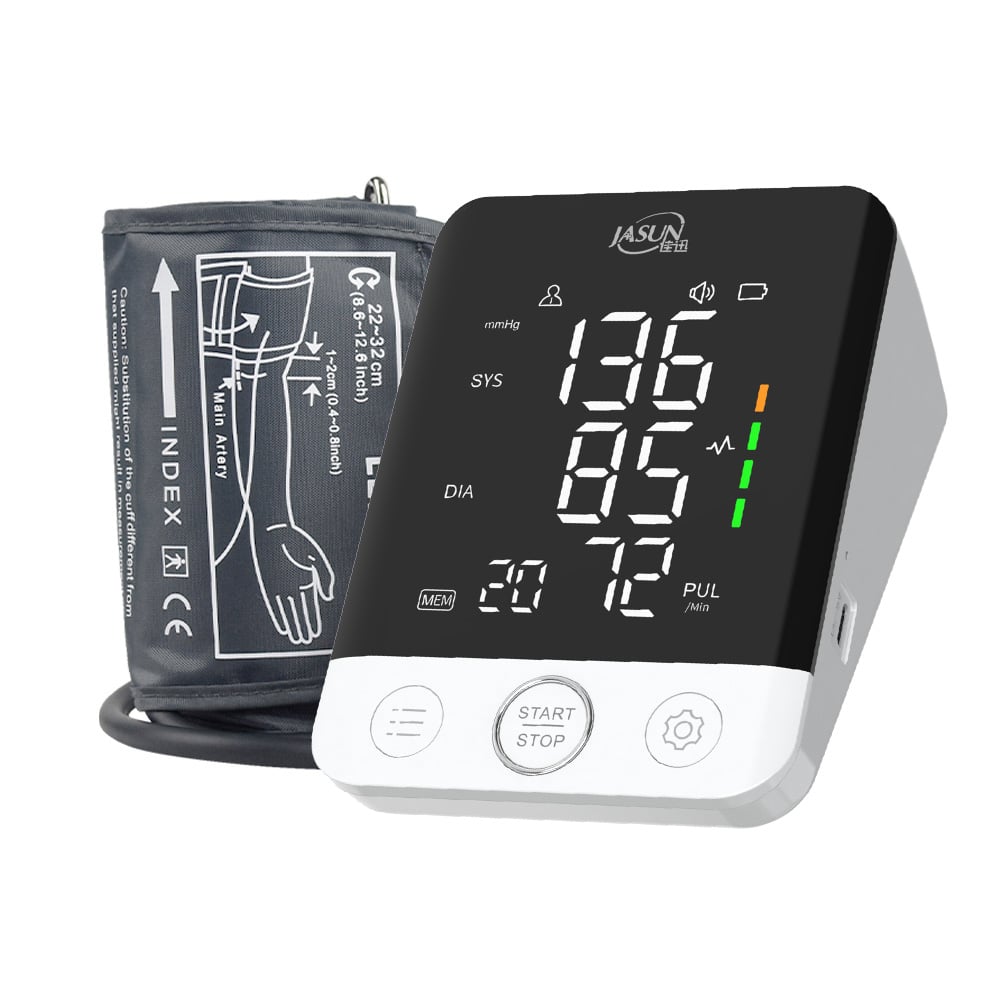
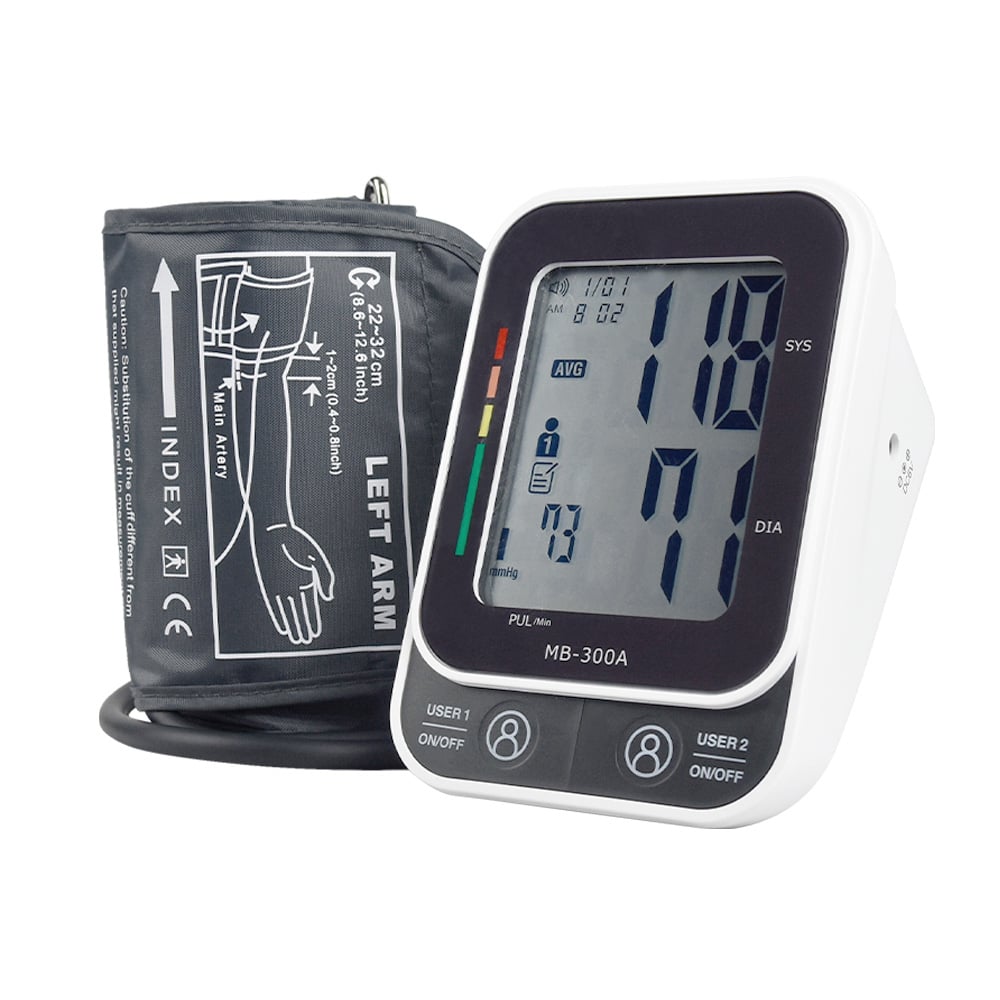
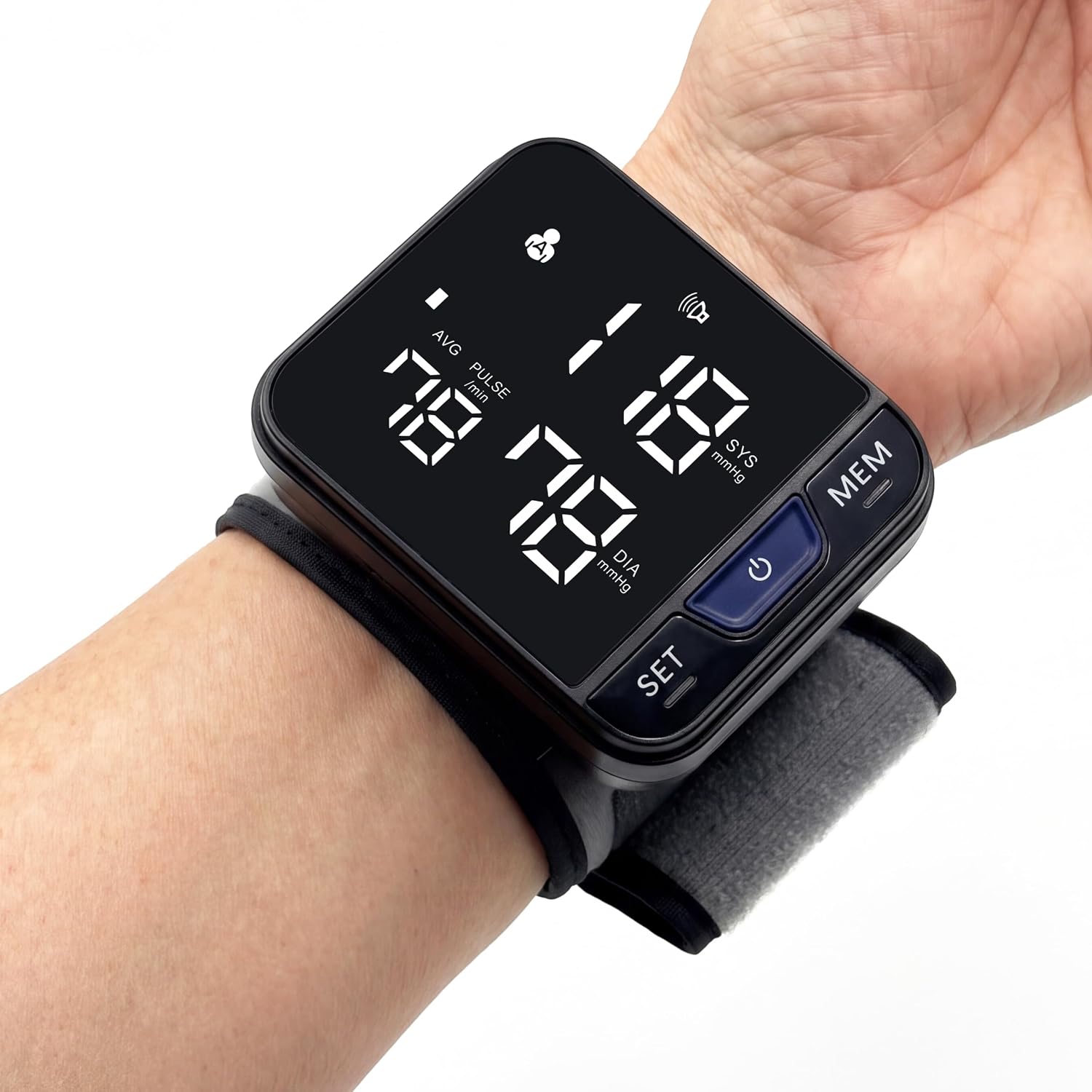
Automatic blood pressure monitors are essential devices used in healthcare settings to measure and monitor blood pressure levels non-invasively. As a purchasing manager or distributor, your primary concerns may include accuracy, reliability and the ability to meet specific medical standards. This article will guide you through the key specifications to consider, how to compare suppliers, identify common problems, and understand the material benefits of high-quality monitors, ensuring you make an informed decision.
When selecting an automatic blood pressure monitor, several key specifications should be evaluated to ensure the device meets your needs.
Measurement Range and Accuracy: Look for devices that have a wide measurement range (typically from 0 to 299 mmHg) and a stated accuracy of ±3 mmHg. Accuracy is critical in healthcare settings, as incorrect readings can lead to misdiagnosis or inappropriate treatment.
Cuff Size and Type: Ensure that the monitor comes with adjustable cuffs to accommodate different arm sizes. An ill-fitting cuff can lead to inaccurate readings. Some models offer interchangeable cuffs, which add versatility.
Power Source: Consider whether the monitor is battery-operated or can be plugged into a power source. Battery-powered devices offer portability, while plug-in models may be more suitable for stationary use in clinics.
Data Storage and Connectivity: Many modern automatic blood pressure monitor come equipped with data storage capabilities, allowing multiple readings to be saved and tracked over time. Look for Bluetooth or USB connectivity options that enable easy data transfer to computers or mobile applications for better patient management.
Display Features: A clear and easy-to-read display is essential. Monitors with backlit screens or large fonts improve visibility, especially for older patients or in low-light conditions.
These specifications will help in assessing the monitor's performance, reliability, and overall suitability for your medical applications.
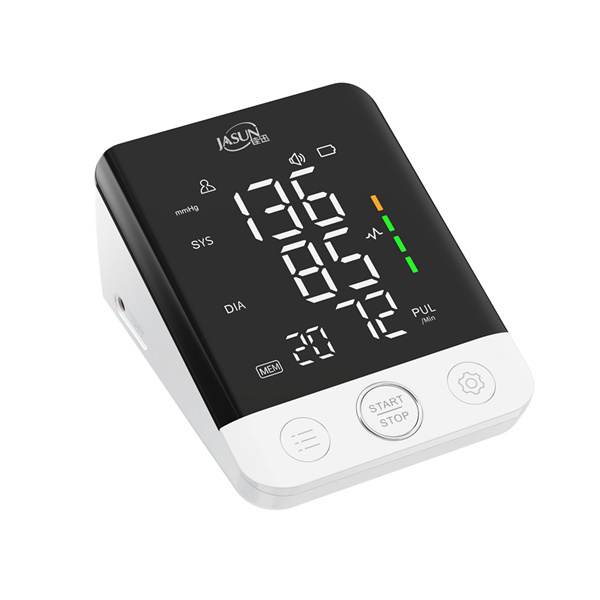
When sourcing automatic blood pressure monitors, it's crucial to evaluate potential suppliers based on several quality indicators:
Certifications: Verify that suppliers hold relevant certifications such as CE, ISO13485:2003, and FDA approvals. These certifications indicate compliance with international quality and safety standards, ensuring that the products meet regulatory requirements.
Manufacturing Capabilities: Assess the supplier's manufacturing capabilities, including their experience in producing medical devices. A supplier with a robust R&D department and established quality control processes can be more reliable.
Customization Options: Determine whether the supplier offers customization options for their electronic blood pressure monitor. Customization can include branding, unique features, or tailored packaging, which might be essential for your target market.
Reputation and References: Look for reviews, testimonials, and case studies from previous clients. A supplier with a solid reputation and positive feedback from their customers is more likely to deliver quality products and service.
Lead Times and Minimum Order Quantities: Discuss production lead times and minimum order quantities (MOQs) upfront. Understanding these factors can prevent potential supply chain disruptions and help in planning inventory levels effectively.
By thoroughly comparing these aspects, you can select a supplier that aligns with your quality expectations and operational needs.
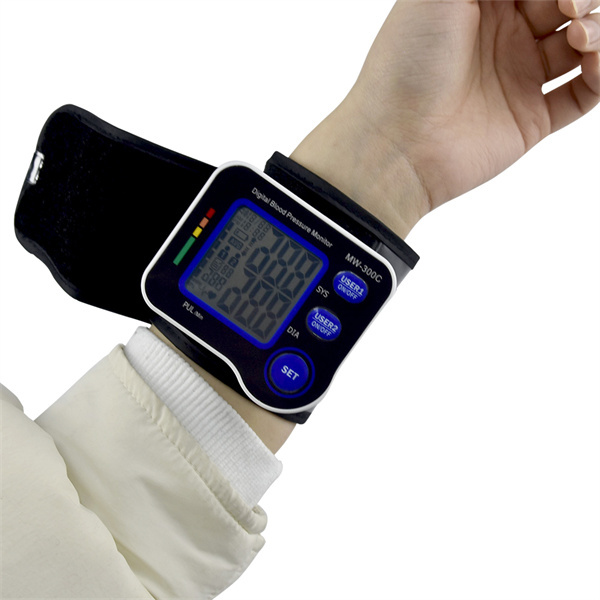
Finding reliable suppliers for automatic blood pressure monitors involves strategic research and networking. Here are some avenues to explore:
Industry Trade Shows and Expos: Attending medical and healthcare trade shows provides opportunities to meet manufacturers and suppliers face-to-face. You can evaluate their products, ask questions, and establish direct relationships.
Online Marketplaces and B2B Platforms: Websites such as Alibaba, Global Sources, and ThomasNet offer listings of manufacturers and suppliers. Look for those with verified statuses and check their ratings and reviews.
Professional Associations: Engage with professional medical associations or organizations that specialize in healthcare instruments. They often have directories of certified suppliers and manufacturers in the industry.
Referrals and Recommendations: Networking with colleagues in the healthcare or medical supply sectors can lead to valuable referrals. Recommendations from trusted sources often yield reliable contacts.
Local Manufacturers: Investigating local manufacturers can reduce shipping costs and lead times. It may also facilitate easier communication and more straightforward negotiations.
Using these resources, you can compile a list of potential suppliers and begin the evaluation process based on the criteria discussed previously.
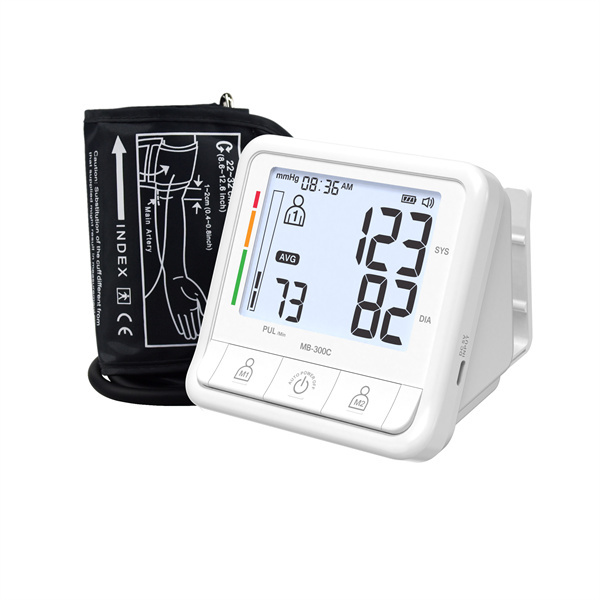
While automatic blood pressure monitors are generally reliable, issues can arise. Here are common problems and their solutions:
Inaccurate Readings: This can occur due to improper cuff placement or size. Ensure that the cuff fits snugly on the upper arm and is positioned correctly according to the manufacturer’s instructions. Regular calibration of the device may also be necessary.
Battery-related Issues: Monitors that are battery-operated may face issues such as short battery life or failure to power on. Always use fresh batteries and consider models with rechargeable options to mitigate this problem.
Software Glitches: Digital monitors may experience software malfunctions, leading to erratic readings. Regular software updates or resets can often resolve these issues. Ensure there is clear guidance on how to perform these actions.
Connectivity Problems: For models with Bluetooth or wireless capabilities, connectivity issues can occur. Ensure that devices are compatible and that the software used for data transfer is up to date.
Cuff Damage: Over time, cuffs can wear out or get damaged. Regular inspection for signs of wear and tear is essential. It’s advisable to have replacement cuffs readily available to maintain accuracy.
By being aware of these common issues and their solutions, you can ensure that the blood pressure monitors in use remain functional and reliable.
The materials used in the construction of automatic blood pressure monitors significantly impact their performance and durability. Here are some material-related benefits:
Durable Plastics: High-quality monitors often use robust, medical-grade plastics that withstand the rigors of daily use in clinical settings. These materials are designed to resist impact and are easy to clean, ensuring hygiene.
Soft Fabric for Cuffs: Cuffs made with soft, breathable fabric enhance patient comfort, especially during extended use. High-quality materials can also provide better elasticity, ensuring a snug fit on various arm sizes.
Sensitive Sensors: The sensors used in automatic blood pressure blood pressure monitor are often made from advanced materials that enhance sensitivity and accuracy. These components are critical for obtaining precise readings and minimizing errors.
Corrosion-Resistant Components: Components such as connectors and internal mechanisms should be made from corrosion-resistant materials to ensure longevity, particularly in humid or varied temperature environments.
Eco-Friendly Options: As sustainability becomes increasingly important, some manufacturers are exploring eco-friendly materials that do not compromise product performance. These options can appeal to environmentally conscious buyers.
Focusing on high-quality materials not only ensures better performance of the monitors but also enhances user experience and satisfaction, which is crucial in the healthcare industry. By understanding these key areas, you can navigate the complexities of selecting and purchasing automatic blood pressure monitors more effectively, ensuring that your procurement meets the highest standards of quality and reliability.
JASUN is a registered trademark of Hangzhou Hua'an Medical & Health Instruments Co.,Ltd. Your first option for premium thermometer suppliers in China with CE, MDR, ISO13485:2003, FDA and BSCI certificates.
Our location: Building 2,1# Fuzhu Nan RD, Wuchang Town, Yuhang District, Hangzhou, Zhejiang 310023, China
HOURS: 8:30AM - 6:00PM
Copyright © Hangzhou Hua'an Medical & Health Instruments Co.,Ltd. All Rights Reserved Blog Privacy Policy
 EN