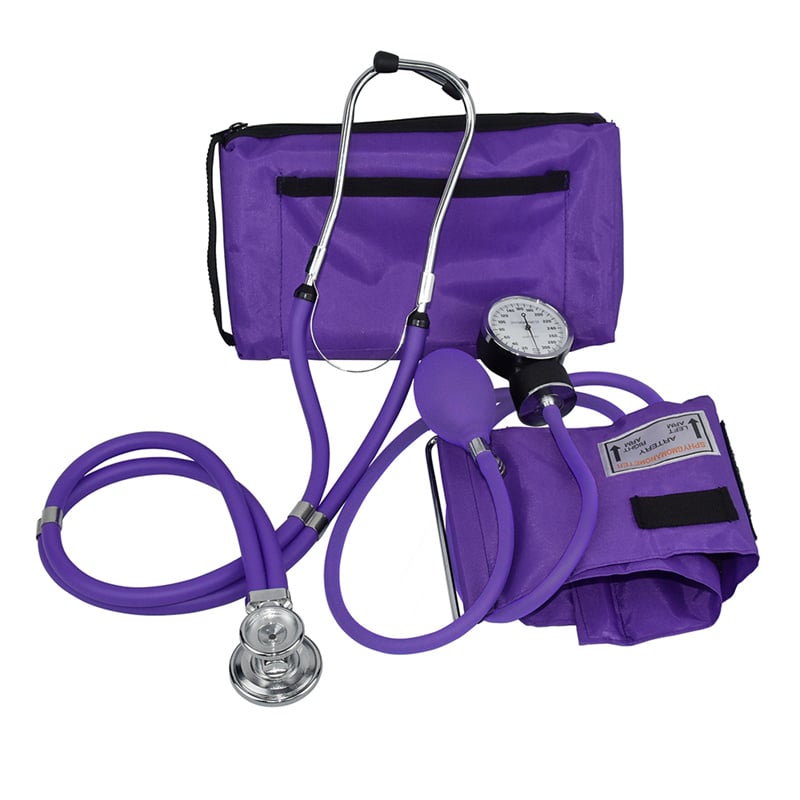
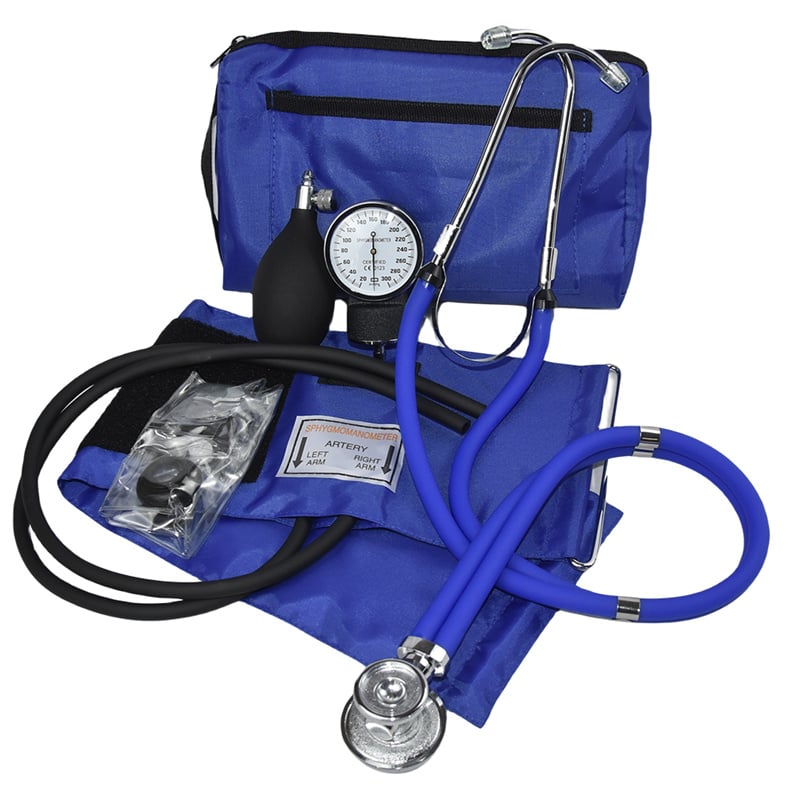
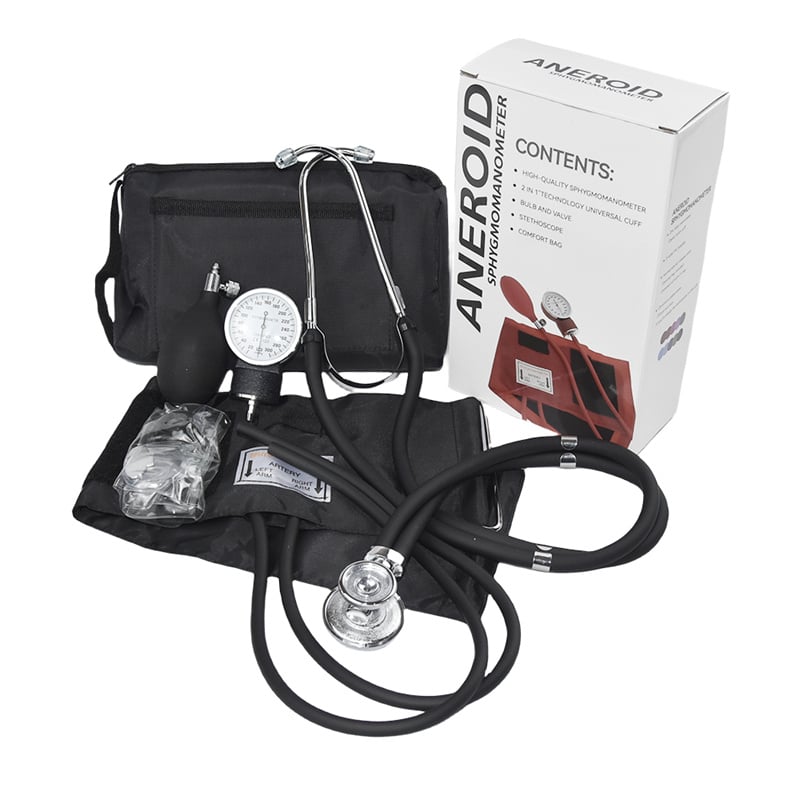
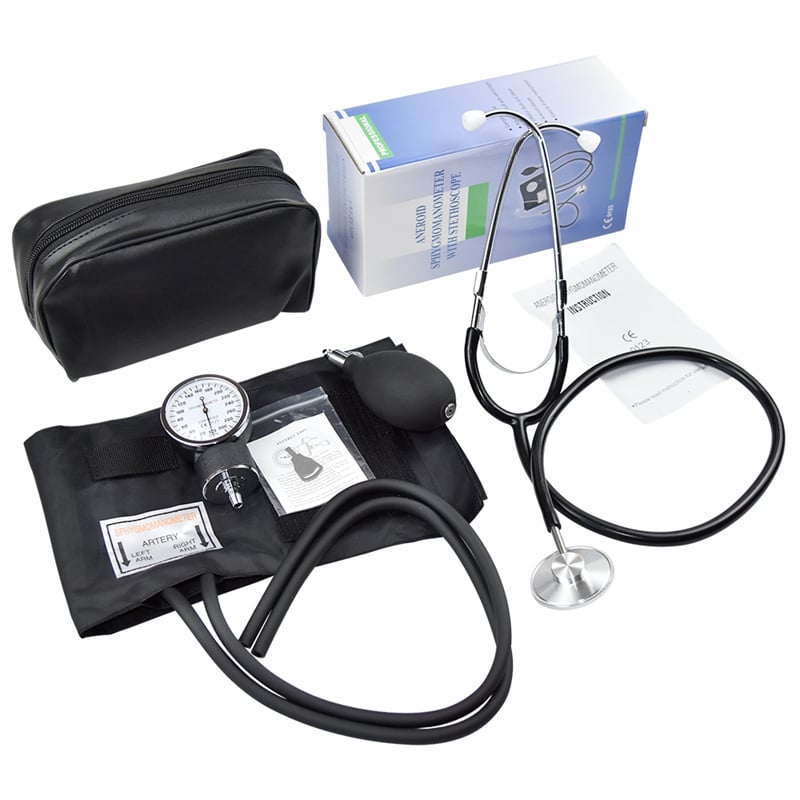
An aneroid sphygmomanometer with stethoscope is an essential medical device for accurately measuring blood pressure. This equipment is crucial for healthcare providers, as it helps in diagnosing and monitoring various health conditions. When selecting an aneroid sphygmomanometer, B2B buyers, including purchasing managers and healthcare professionals, may have concerns regarding accuracy, durability, ease of use, and compatibility with existing healthcare systems. This article will guide you through the key considerations for choosing the right device, essential specifications, installation guidance, common issues, and applications in medical settings.
Selecting the appropriate aneroid sphygmomanometer with stethoscope involves several factors. First, consider the target market and intended use. For instance, devices used in a clinical setting may require different specifications compared to those intended for home healthcare use.
Next, evaluate the size and material of the cuff. Cuffs come in various sizes to accommodate different patient populations, and the material should offer both comfort and durability. Look for options that feature adjustable cuffs, as these enhance usability across diverse patient sizes.
Another important factor is the scale of measurement. A clear, easy-to-read dial can reduce the likelihood of misinterpretation during critical assessments. Additionally, ensure that the stethoscope is integrated effectively for seamless operation, allowing healthcare providers to auscultate while obtaining blood pressure readings.
Lastly, verify the manufacturer’s certification and quality standards. Manufacturers like Hangzhou Huaan Medical Health Instruments Co., Ltd. offer products that comply with international standards, ensuring reliability and accuracy.
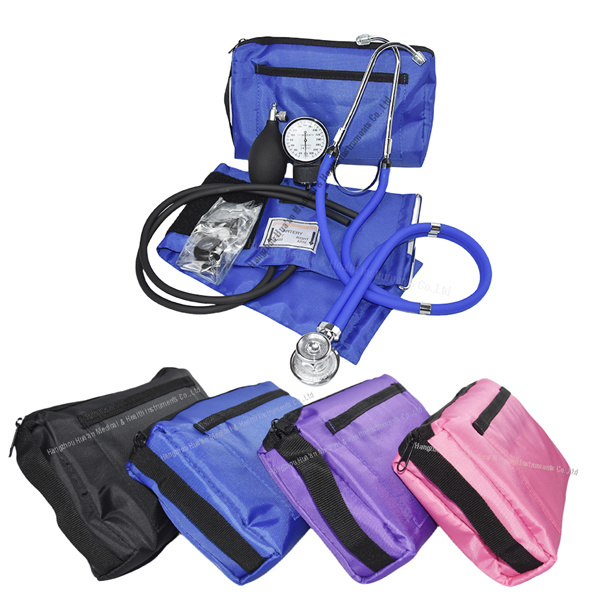
When assessing aneroid sphygmomanometers, certain specifications can greatly influence performance and user experience:
Accuracy: Ensure the device is calibrated correctly, typically within +/- 3 mmHg, to maintain reliability over time. Regular calibration is essential for precise measurements.
Cuff Size: The cuff must fit properly to ensure accurate readings. Cuffs usually come in small, medium, and large sizes. A poorly fitted cuff can lead to incorrect blood pressure readings.
Materials: High-quality materials such as latex-free components reduce the risk of allergic reactions and enhance durability. The construction of the device should withstand regular use in medical environments.
Weight and Portability: Consider the weight of the device, especially if it needs to be moved frequently. Lightweight models are often preferred in dynamic clinical settings.
Ease of Use: Look for features such as a non-slip grip on the inflation bulb and a clearly marked scale for intuitive operation.
Understanding these specifications enables buyers to make informed decisions that meet their operational needs.
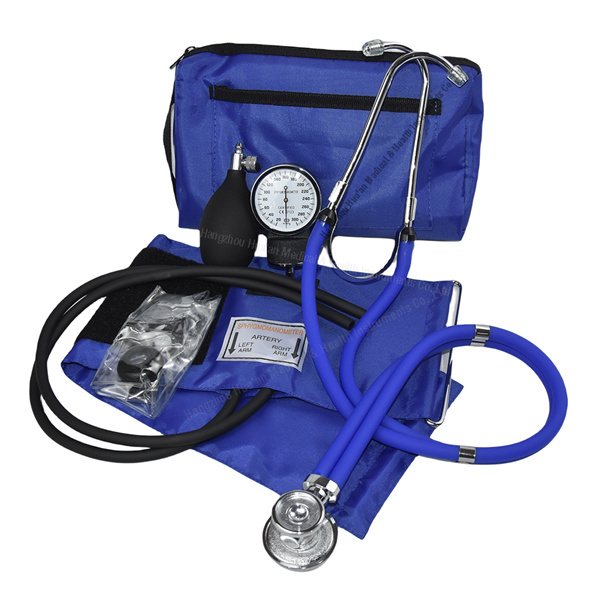
Proper installation of an aneroid sphygmomanometer is critical for accurate blood pressure readings. Follow these steps for effective setup:
Select the Location: Choose a well-lit area for easy reading of the dial. The device should be mounted at heart level to ensure accurate measurements.
Mounting the Device: If applicable, securely mount the sphygmomanometer on a wall or stand. Ensure that it is stable and easily accessible for healthcare providers.
Cuff Placement: When using the device, ensure that the cuff is placed correctly on the patient's arm. The bottom edge of the cuff should be about 1 inch above the elbow crease, and the cuff should be snug but not overly tight.
Calibration: After installation, perform a calibration check against a standard device to ensure accuracy. Regular calibration checks should be scheduled to maintain device reliability.
Training: Provide training for healthcare staff on proper usage techniques, including how to take readings and interpret results correctly.
By following these guidelines, healthcare facilities can ensure that their aneroid sphygmomanometers are installed correctly and function optimally.
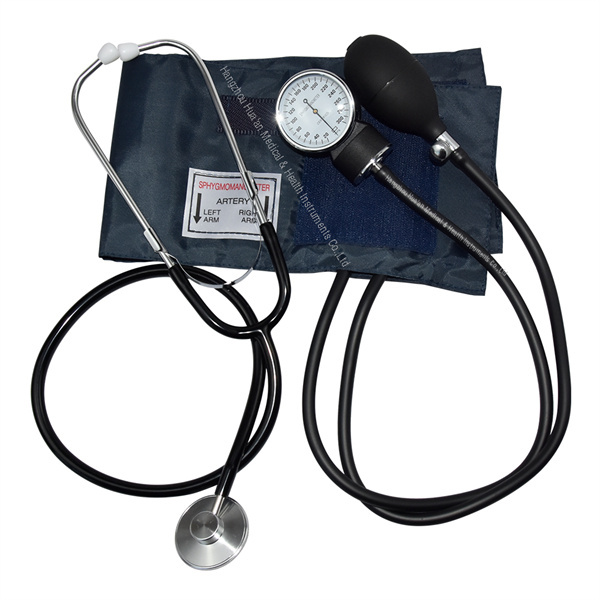
Even with high-quality devices, users may encounter common issues with aneroid sphygmomanometers. Here are a few problems and their solutions:
Inaccurate Readings: This can occur due to improper cuff size or incorrect placement. Ensure cuffs are fitted correctly and check the calibration regularly. Buyers should also confirm that the device is in good working condition before use.
Dial Malfunctions: If the dial is stuck or not moving smoothly, it may indicate internal damage. Inspect the device for any signs of wear or damage, and consult the manufacturer for repairs or replacements.
Air Leaks: A loss of pressure can occur if there are leaks in the cuff or tubing. Check all components for integrity and replace any damaged parts immediately.
Difficulty in Inflation: This may result from a blocked inflation bulb or defective valve. Regular maintenance is vital to ensure smooth operation.
By addressing these issues proactively, healthcare providers can maintain the reliability of their aneroid sphygmomanometers.
Aneroid sphygmomanometers are widely used in various medical settings, including hospitals, clinics, and outpatient facilities. Their primary application is in monitoring patients' blood pressure, which is crucial for diagnosing conditions such as hypertension and cardiovascular diseases.
Routine Checkups: These devices are essential for routine health assessments, allowing healthcare providers to establish baseline blood pressure readings and monitor changes over time.
Emergency Situations: In emergencies, accurate and rapid blood pressure measurement is critical for assessing a patient’s condition. The portability of aneroid sphygmomanometers ensures they can be used in various locations, including ambulances and emergency rooms.
Home Healthcare: With an increasing trend towards home healthcare, aneroid sphygmomanometer are also used in patients' homes, allowing individuals to monitor their blood pressure regularly and report data to healthcare providers.
Research and Education: These devices are often used in educational settings to train medical students and nursing staff in blood pressure measurement techniques.
By understanding the diverse applications of aneroid sphygmomanometers, buyers can better assess their needs and select devices that align with their operational requirements.
JASUN is a registered trademark of Hangzhou Hua'an Medical & Health Instruments Co.,Ltd. Your first option for premium thermometer suppliers in China with CE, MDR, ISO13485:2003, FDA and BSCI certificates.
Our location: Building 2,1# Fuzhu Nan RD, Wuchang Town, Yuhang District, Hangzhou, Zhejiang 310023, China
HOURS: 8:30AM - 6:00PM
Copyright © Hangzhou Hua'an Medical & Health Instruments Co.,Ltd. All Rights Reserved Blog Privacy Policy
 EN