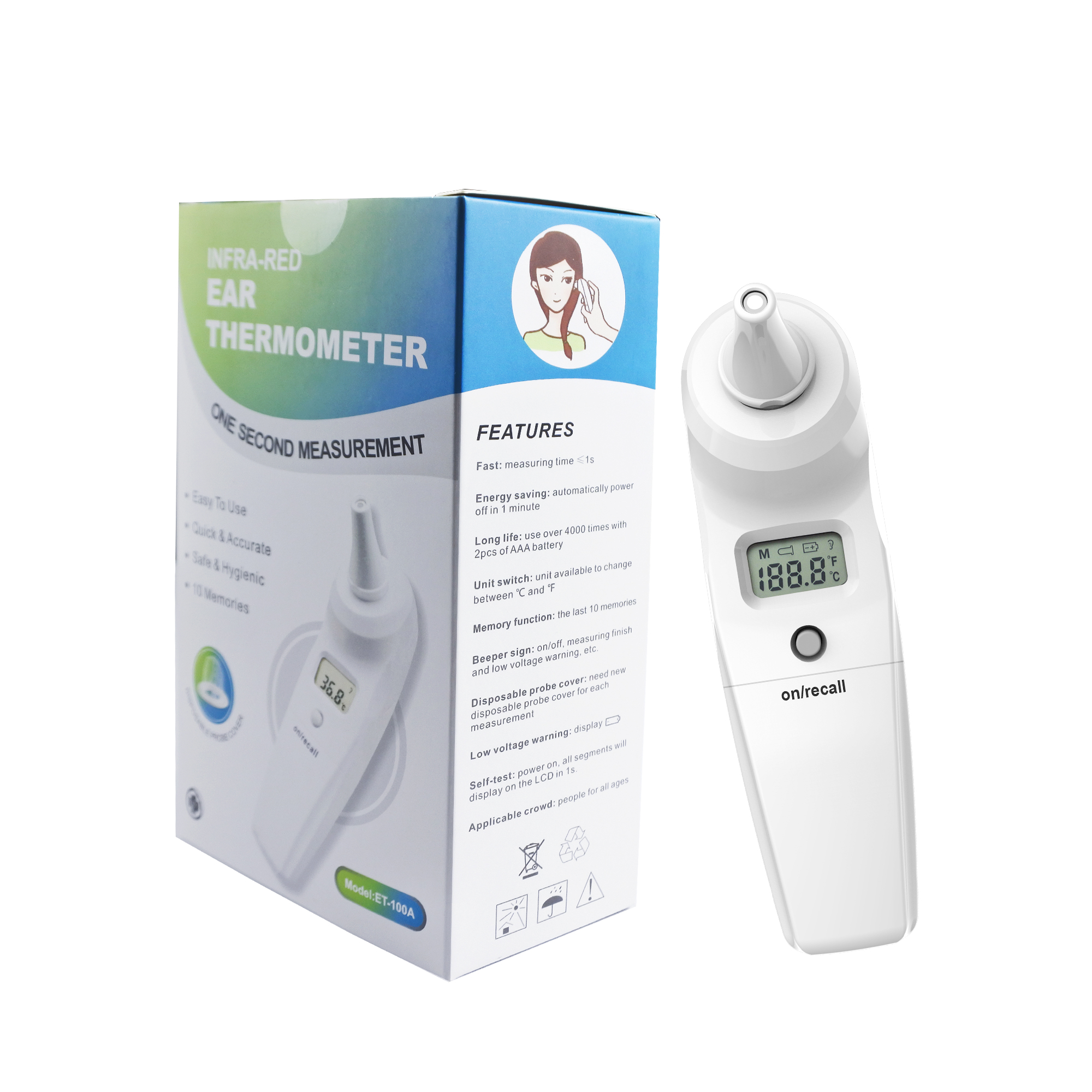
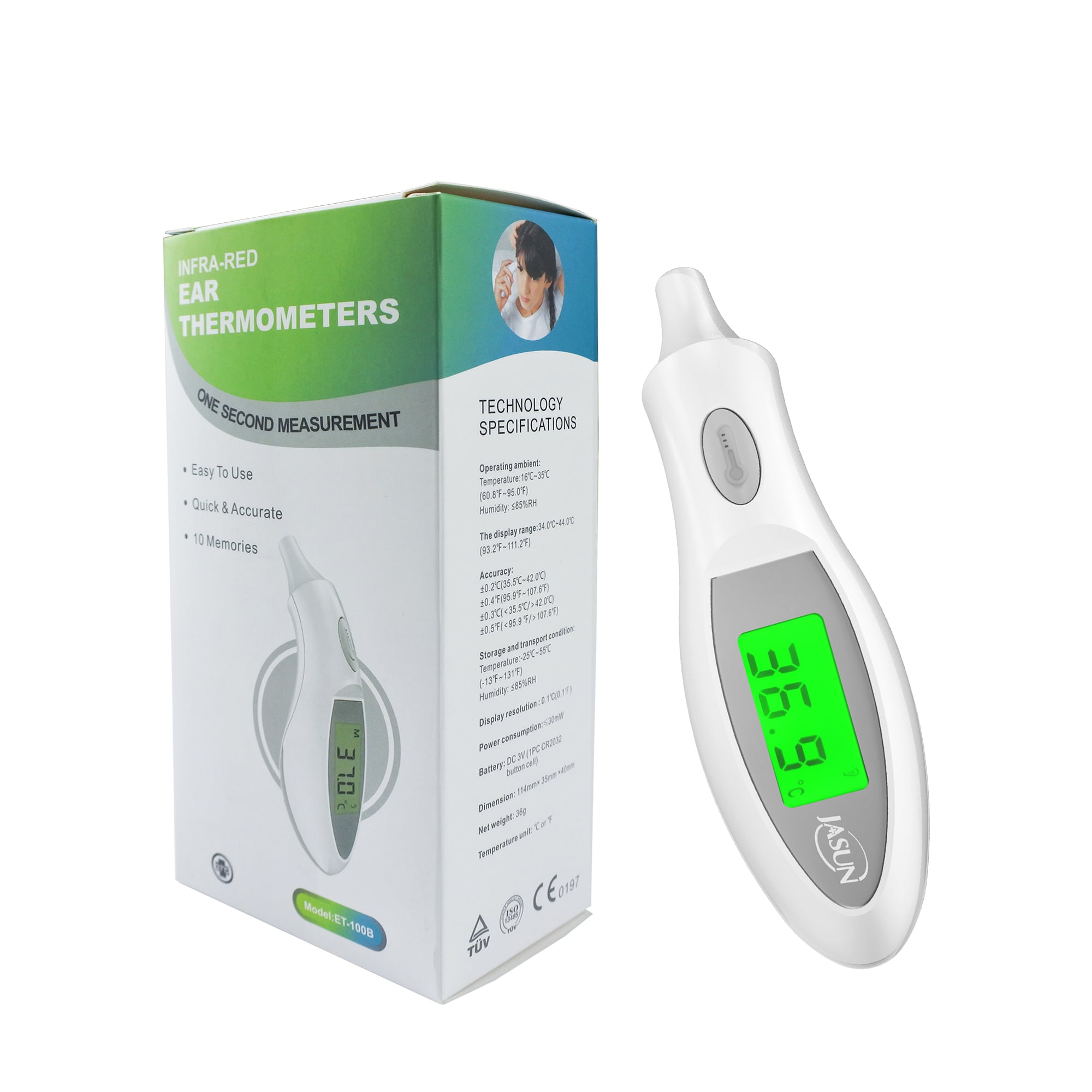
An accurate ear thermometer is an essential tool for healthcare professionals and caregivers alike, providing quick and reliable temperature readings. For B2B buyers, such as purchasing managers and distributors, selecting the right thermometer is crucial to ensure product quality and customer satisfaction. This article will explore key considerations for choosing an accurate ear thermometer for wholesale, including specifications, common issues, and applications in various healthcare settings.
When sourcing accurate ear thermometers, buyers should prioritize key features such as measurement accuracy, response time, and ease of use. Accuracy is paramount in healthcare settings; therefore, it is advisable to look for thermometers with a proven accuracy rating, typically within ±0.2°C. A fast response time of 1 to 2 seconds is also beneficial for quick assessments, especially in busy clinics or hospitals.
Additionally, the design and comfort of the thermometer should be taken into account, particularly for pediatric applications. Thermometers with ergonomic designs and soft ear tips can significantly enhance the user experience. Durability is another factor; ear thermometers made from high-quality materials are more likely to withstand frequent use and handling.
Buyers should also consider the certifications held by the manufacturer, such as CE, FDA, and ISO13485:2003, which indicate compliance with international safety and quality standards. This can assure buyers of the product's reliability and performance.
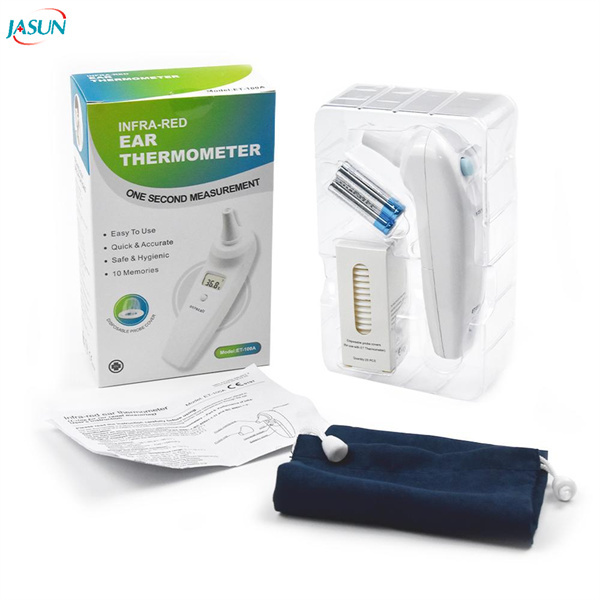
When preparing to purchase accurate ear thermometers, buyers should gather comprehensive information to facilitate an effective request for quotation (RFQ). Key specifications to include are:
Model and Type: Specify whether an infrared or digital model is preferred.
Measurement Range: Confirm the operational range of the thermometer, typically from 34°C to 42.9°C.
Sensitivity and Specificity: Request documentation that outlines these performance metrics.
User Interface: Determine if features like a digital display and audible alerts are required.
Packaging: Specify if individual packaging is necessary for retail or bulk packaging for hospital use.
Quantity: Indicate the minimum order quantity (MOQ) to ensure a smooth procurement process.
It's advisable to request product samples before placing a large order. This allows buyers to evaluate the thermometer's performance and usability in real-world conditions.
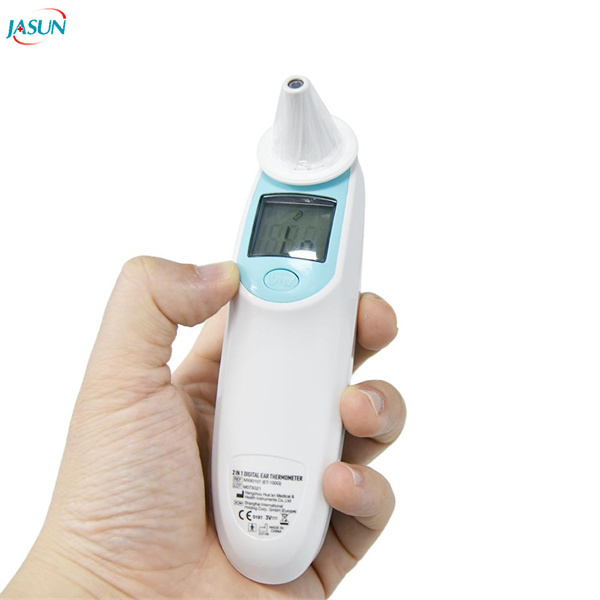
The cost of digital ear thermometer can vary significantly based on several factors, including technology, design complexity, and volume of purchase. Generally, infrared thermometers may have a higher price point due to advanced technology, while basic digital models may be more cost-effective.
Key cost factors include:
Volume Discounts: Larger orders often qualify for discounts, so understanding the MOQ can help buyers negotiate better rates.
Customization: Custom branding or features may incur additional costs, but can enhance product differentiation in the market.
Shipping and Import Duties: Buyers should factor in logistics costs, especially for international shipments, which can affect the overall budget.
Warranty and After-Sales Support: A robust warranty can add value, but may also influence the initial cost.
Understanding these elements can help buyers make informed purchasing decisions while optimizing their budgets.
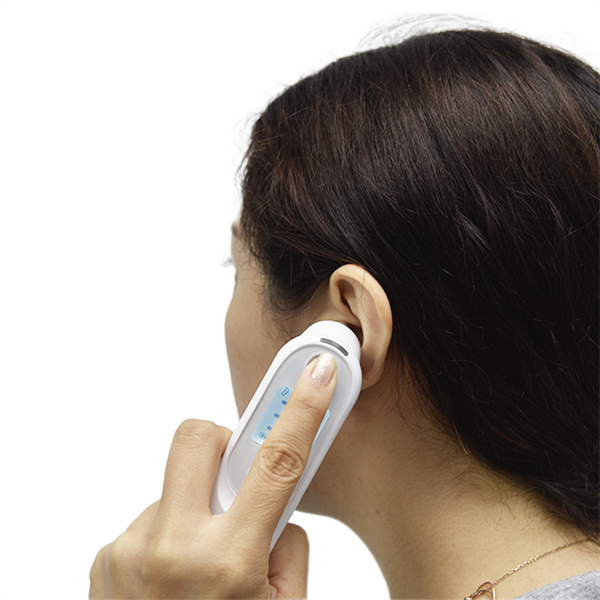
While ear thermometers are generally reliable, several common issues may arise that buyers should be aware of:
Inaccurate Readings: This can occur due to improper placement in the ear canal or if the thermometer is not calibrated correctly. Providing clear user instructions can mitigate this issue. Buyers should confirm calibration procedures and check for regular maintenance requirements.
Battery Life: Low battery can impact performance. Thermometers with long-lasting batteries or low battery indicators can enhance usability. Buyers should inquire about the expected battery life and whether replacement batteries are readily available.
Hygiene Concerns: Ear thermometers require regular cleaning to prevent cross-contamination. Buyers should ensure that the thermometer comes with easy-to-clean components or disposable covers.
User Error: Misuse can lead to inaccurate readings. Training materials or instructional videos can help end-users understand the correct operation of the thermometers.
By addressing these potential problems, buyers can select thermometers that minimize issues and enhance user satisfaction.
Accurate ear thermometers have a wide range of applications in healthcare and other sectors. In pediatric care, they are particularly advantageous due to their non-invasive nature and quick readings, making them ideal for assessing fevers in children. Hospitals, clinics, and home healthcare providers frequently rely on these thermometers for routine examinations.
Beyond healthcare, infant ear thermometer are also utilized in occupational health settings, where employee health monitoring is crucial. Industries such as food service, childcare, and education benefit from having reliable temperature screening tools to ensure safety and compliance with health regulations.
In summary, accurate ear thermometers are vital tools across various applications. By understanding their specifications, cost factors, and common issues, B2B buyers can make informed purchasing decisions that enhance their product offerings and meet the needs of their customers.
JASUN is a registered trademark of Hangzhou Hua'an Medical & Health Instruments Co.,Ltd. Your first option for premium thermometer suppliers in China with CE, MDR, ISO13485:2003, FDA and BSCI certificates.
Our location: Building 2,1# Fuzhu Nan RD, Wuchang Town, Yuhang District, Hangzhou, Zhejiang 310023, China
HOURS: 8:30AM - 6:00PM
Copyright © Hangzhou Hua'an Medical & Health Instruments Co.,Ltd. All Rights Reserved Blog Privacy Policy
 EN